
On this page
An engine oil contamination test tells you what is in your oil that should not be: coolant, fuel, dirt or metal. Route 66 Auto Repair in Upland runs shop tests on the spot, including a visual and smell check, a blotter spot test, cooling system pressure testing and a filter inspection. Each contaminant points to a different failure, so the test decides the repair. You get the findings, photos, and a written estimate before any work starts.
What contaminants do we test for?
- Coolant: milky or tan oil, sweet smell, often from a head gasket or oil cooler
- Fuel: thin oil that smells like gasoline and reads overfull, often from short trips or a leaking injector
- Dirt: gritty oil from a torn air filter boot or a missing intake seal
- Metal: glitter in the oil or on the drain plug from wearing bearings, cams or a pump
- Sludge: tar-like deposits from long change intervals
How do we test oil in the shop?
We start simple. A drop of oil on blotter paper spreads in rings, and the rings show soot, sludge and water. We cut open the filter and look for debris. A magnet on the drain plug shows ferrous metal. If coolant is suspected, we pressure-test the cooling system and watch for a pressure drop.
When the shop tests leave questions, a lab report can measure wear metals precisely. Our engine oil analysis page explains that option and when it is worth the wait.
Why short trips matter here
Many Upland errands are a few miles on Foothill Blvd with lots of stops. The engine never gets hot enough to burn off moisture and fuel that slips past the rings. Over time, the oil thins and turns milky under the cap. That is not always a head gasket, and we test before anyone says it is.
Our contamination testing process
Step 1: Sample and look
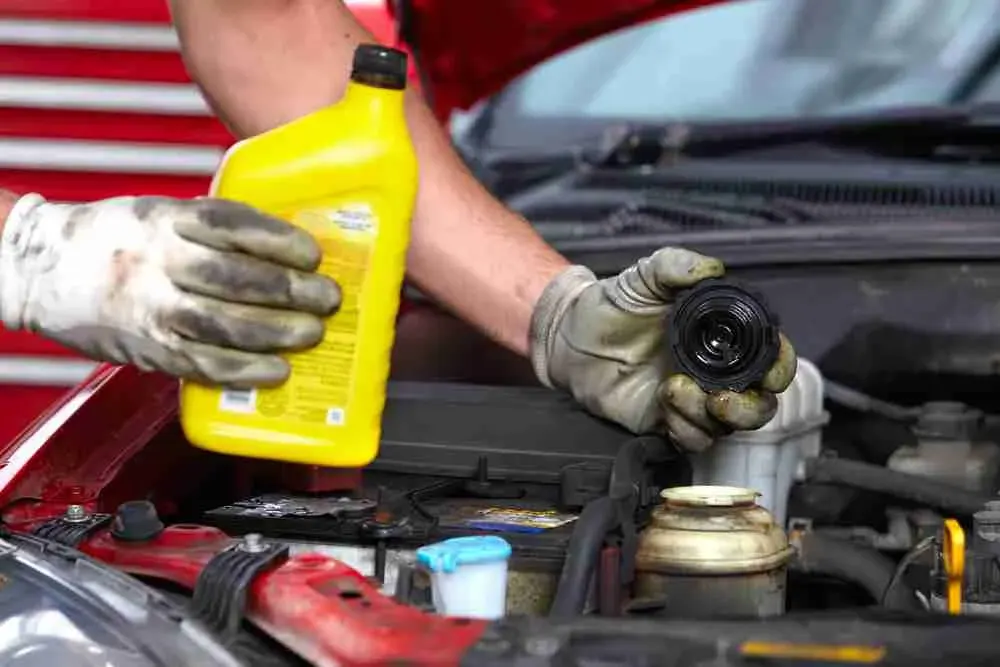
We pull a sample and photograph the dipstick, fill cap and drained oil.
Step 2: Run shop tests
Blotter test, filter cut-open, drain plug magnet and cooling system pressure test as needed.
Step 3: Report
You get the result for each contaminant and what it suggests, in writing.
Step 4: Plan the fix
We quote the source repair and any cleanup, each marked need-now or can-schedule.
What's included in an oil contamination test
Included on the work order
- 01Oil sample and visual inspection with photos
- 02Blotter spot test
- 03Oil filter cut-open inspection
- 04Cooling system pressure test when coolant is suspected
- 05Written findings and recommended next steps
Is it a need-now or need-later issue?
Need now: call
- Coolant or metal found in the oil
- Oil level rising from fuel dilution
Need later: book
- Light condensation under the cap on a short-trip car
- Mild sludge on an engine with steady pressure
How pricing and timing work
Testing is billed under the diagnostic fee, which is stated at the counter before testing and applies to approved related repair. Most shop tests finish the same visit. If contamination is confirmed, cleanup may lead to an engine oil system flush. Coolant findings can also point to our cooling system diagnostic. Call (909) 646-4111.
Frequently asked questions
Does milky oil always mean a blown head gasket?
No. Condensation from short trips can leave a milky film under the cap. A failed oil cooler can also mix coolant into oil. We test before naming a cause so you do not pay for the wrong repair.
Why does my oil smell like gas?
Some fuel always slips past the piston rings, especially on short trips and on direct-injection engines. A strong smell with a rising oil level suggests more than normal, and we check injectors and driving patterns.
Can I bring in an oil sample myself?
We prefer to pull the sample so we can see the dipstick, cap and filter at the same time. Those clues often matter as much as the oil itself.