
On this page
An engine oil flush adds a cleaning solvent to the old oil, runs the engine briefly, and drains everything before fresh oil goes in. Route 66 Auto Repair in Upland offers flushes, but we only recommend one when the engine shows a reason: sludge under the oil cap, a missed-change history, or a used car with no records. For most well-maintained engines, a regular oil change on schedule is enough. We look first and tell you honestly.
Who actually needs an oil flush?
- Drivers who stretched oil changes well past the interval
- Buyers of a used car with no service records
- Engines with tar-like deposits visible under the oil fill cap
- Vehicles that sat for months in a hot garage
- Engines that just had a sludge-related repair, with the technician's recommendation
When should you skip a flush?
If your oil has been changed on time with the correct grade, the detergents in modern oil are already cleaning the engine. A flush adds cost without much benefit. We say so at the counter.
There is also a caution for high-mileage engines. Heavy deposits sometimes act as a seal around worn gaskets. Loosening them can uncover a leak that was already there. We explain that risk before you approve, and our high-mileage oil change may be the better first step.
Our engine oil flush process
Step 1: Look under the cap
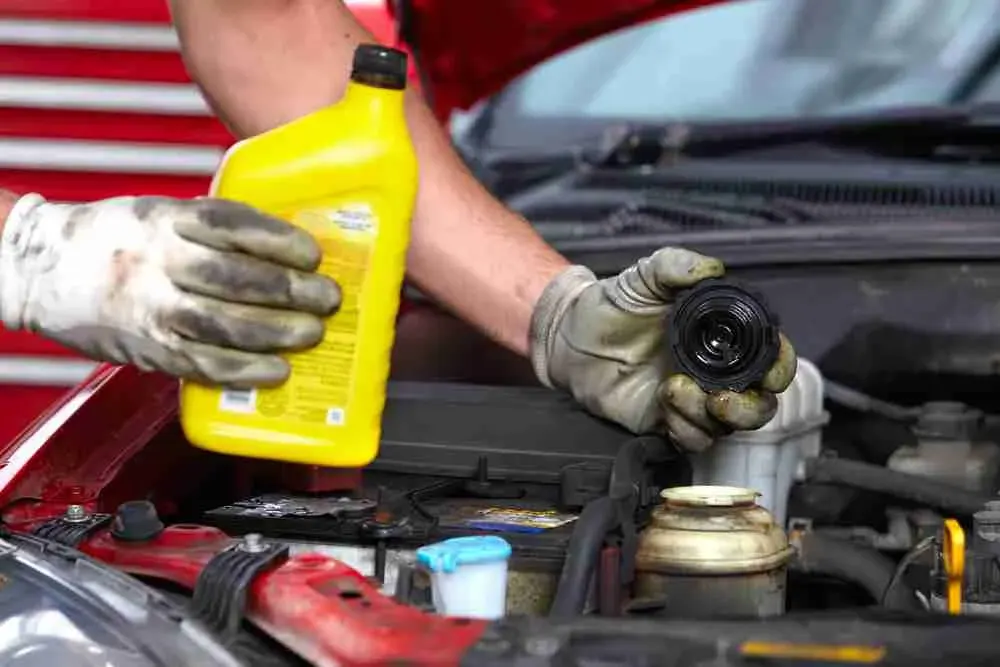
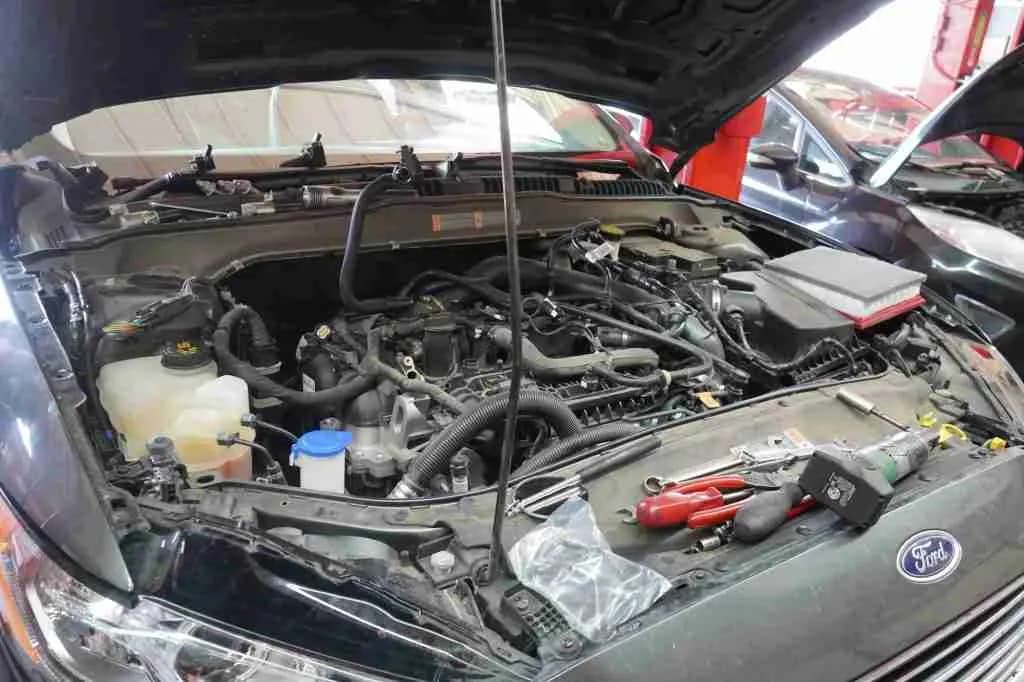
We check the fill opening and dipstick for sludge and photograph what we see.
Step 2: Add the cleaner
The flush product goes into the warm old oil and the engine idles for the time on the label, never driven.
Step 3: Drain thoroughly
We drain the oil hot, let it drip fully, and remove the old filter.
Step 4: Refill and verify
A new filter and the oil grade your engine specifies go in, followed by a leak check and a short road test.
What's included in an engine oil flush
Included on the work order
- 01Sludge inspection with photos
- 02Engine flush solvent at the labeled dose
- 03Full drain with new drain plug washer
- 04New oil filter and specified oil
- 05Leak check and oil life reset
Is it a need-now or need-later service?
Need now: call
- Heavy sludge with a low oil pressure warning
- Oil that is thick, black and well past its interval
Need later: book
- Light varnish on a car with a spotty history
- A recently bought used car, scheduled with its first oil change
How pricing and timing work
Frequently asked questions
Will an oil flush hurt my engine?
On a sound engine, a labeled flush used correctly is low risk. The concern is loosened deposits on a neglected engine, which can reach the oil pickup or reveal old leaks. We look first so we can explain the risk for your specific engine.
How often should I get an oil flush?
Most engines never need one on a schedule. We recommend a flush based on what we see, not on a calendar. Regular oil changes at the right interval do most of the cleaning.
Can I bring my own flush product?
You can. We inspect it and tell you if it suits your engine. There is no warranty on customer-supplied products, and labor is charged at book time.