
On this page
A fluid level check reads each fluid in your vehicle for both amount and condition. Route 66 Auto Repair in Upland performs it at every oil change: engine oil, coolant, brake fluid, power steering fluid, transmission fluid where accessible, and washer fluid. Color and smell tell as much as the level. Dark, burnt transmission fluid or rusty coolant is an early warning. We record what we find on your repair order so you can see how each fluid changes from visit to visit.
What do fluid colors and smells tell us?
- Transmission fluid that is dark brown or smells burnt suggests overheating
- Coolant that looks rusty or has floating film points to corrosion or oil contamination
- Brake fluid that has turned dark has likely absorbed moisture
- Power steering fluid with bubbles or foam can mean air in the system
- Engine oil that looks milky or smells of fuel needs a closer test
What can you check at home, and what should we check?
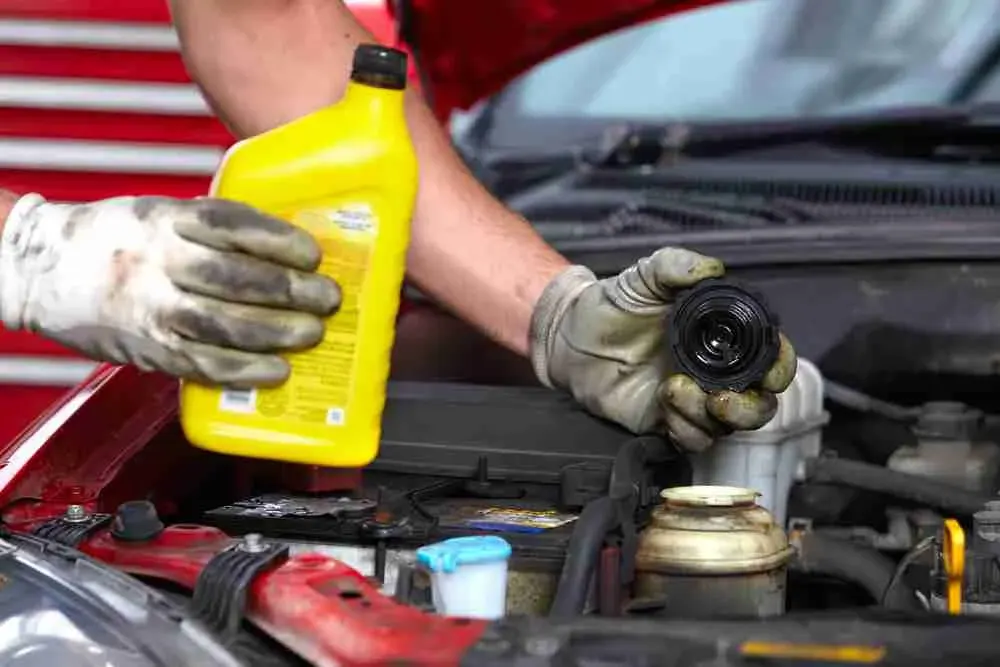
Engine oil and washer fluid are easy to check yourself on level ground with a cool engine. Coolant level is visible in the overflow tank, but never open a hot radiator cap.
Other checks are harder. Many transmissions have no dipstick and need a set temperature and procedure. Brake fluid condition is best judged with a test strip or tester. We handle those, and if something looks wrong we suggest a targeted check like transmission fluid inspection or brake fluid testing.
Why heat makes this check matter
Long summer stretches above 100 degrees push every fluid harder. Transmission fluid oxidizes faster, coolant works at the edge of its range, and brake fluid that holds moisture can boil on a long downhill like the Cajon Pass. A quick read at each oil change catches that drift early.
How the fluid level check works
Step 1: Park level and cool
We read levels under the conditions each maker specifies.
Step 2: Read and inspect
Each fluid is checked for level, color, smell and debris.
Step 3: Test where needed
Brake fluid gets a moisture test and coolant gets a strength check when condition is in doubt.
Step 4: Record
Results go on the repair order with any follow-up marked need-now or can-schedule.
What's included in the fluid level check
Included on the work order
- 01Engine oil level and appearance
- 02Coolant level and condition
- 03Brake fluid level and moisture check
- 04Power steering and accessible transmission fluid
- 05Washer fluid level
- 06Written results for each fluid
What results need action now?
Need now: call
- Brake fluid below minimum or failing the moisture test
- Burnt transmission fluid with shifting complaints
- Coolant contaminated with oil
Need later: book
- Brake fluid darkening but still passing
- Coolant due by mileage with a clean appearance
How pricing and timing work
Frequently asked questions
How often should I check my fluids?
Checking oil and coolant once a month is a good habit, and before any long drive. We check all of them at each oil change so you have a regular record.
My transmission has no dipstick. How do you check it?
Many modern transmissions use a fill plug and require the fluid to be at a set temperature. We follow the maker's procedure, which is why we quote it separately when a level check is needed.
Is dark brake fluid dangerous?
Dark fluid has usually absorbed moisture, which lowers its boiling point. It is not always urgent, but it matters on long downhill grades. We test it and label the result.