
On this page
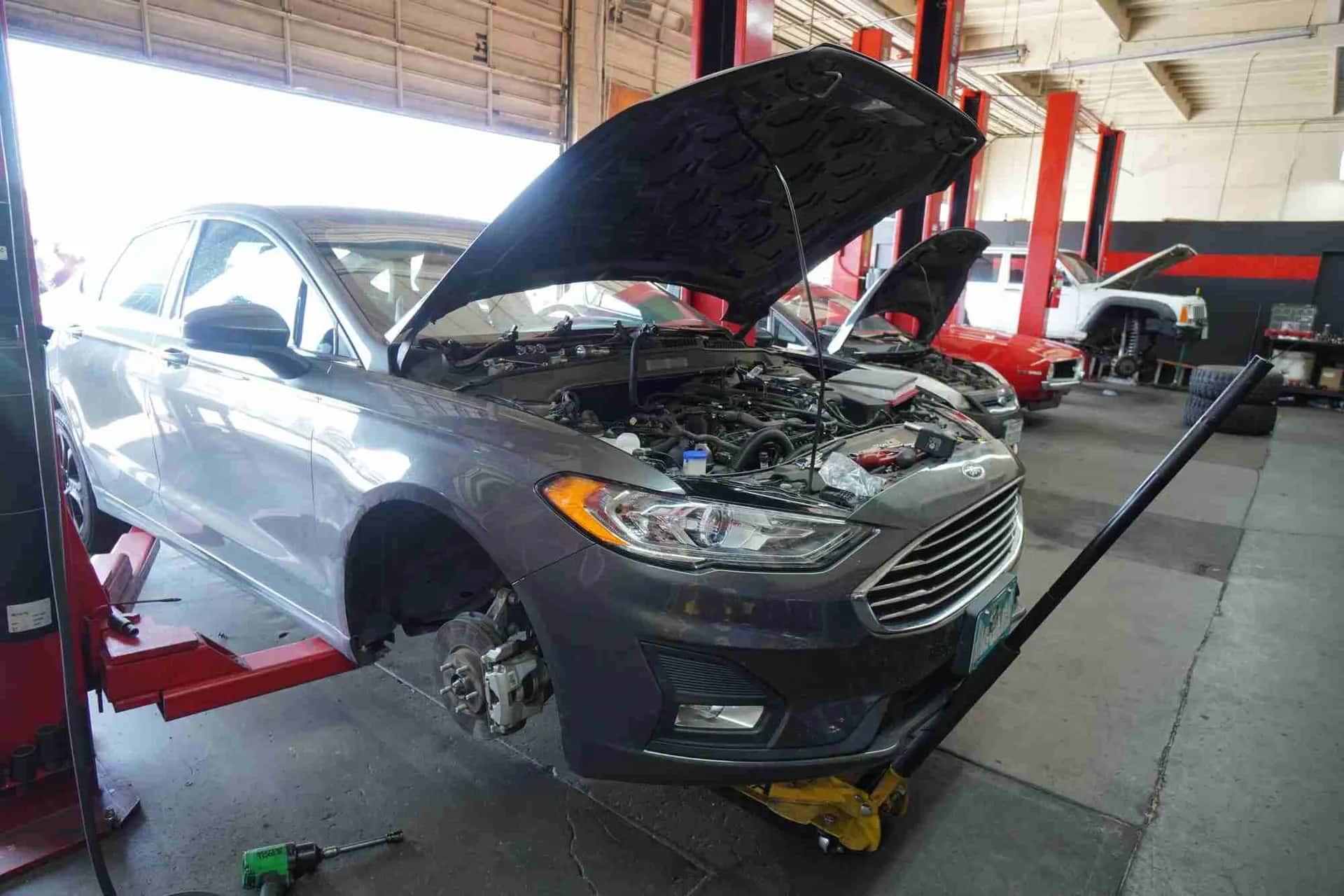
Suspension repair at Route 66 Auto Repair in Upland starts with one goal: finding the single worn part behind the clunk, sway or harsh ride instead of replacing a whole corner on a hunch. Our ASE-certified technicians reproduce the noise on a road test, then isolate it on the lift. You see a photo of the worn part and approve a written estimate before any work starts. If you want the big picture first, the suspension and steering hub covers every system we repair.
Where is that suspension noise coming from?
These are the patterns we hear most at the counter.
- A light rattle over small bumps usually points to sway bar links
- A deep clunk when you brake or accelerate often means control arm bushings
- A creak or pop while turning into a driveway suggests a dry or worn ball joint
- A thump from the top of the fender when turning points to a strut mount
- A bang over large dips can mean a broken spring or a bump stop that has worn away
How do we isolate a suspension noise?
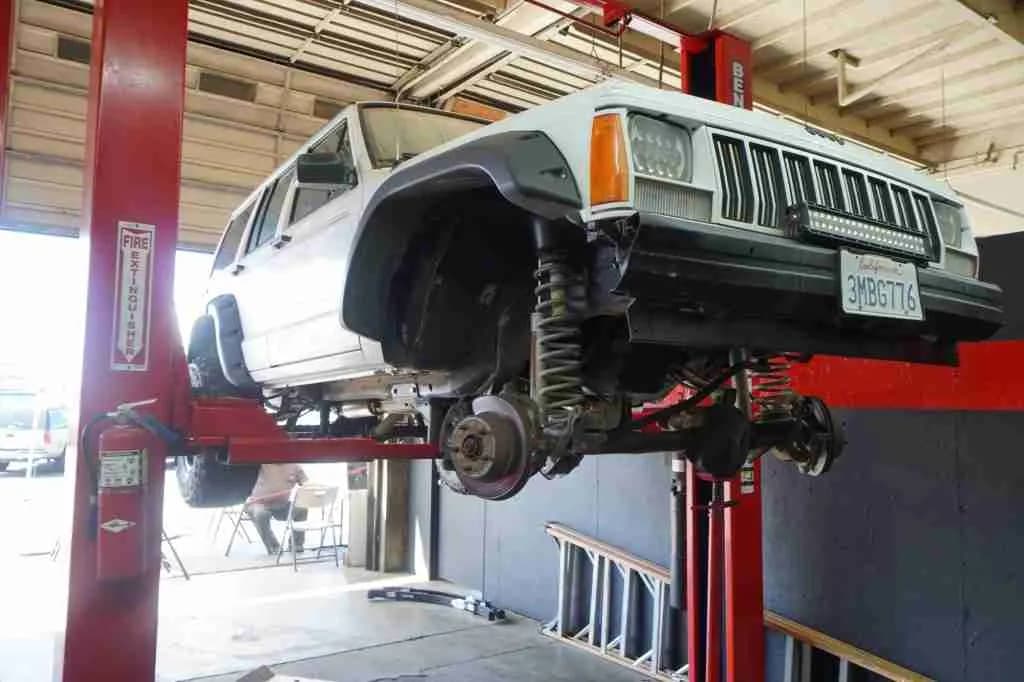
Noises travel through the body, so where you hear one is not always where it lives. After the road test, the technician loads and unloads each joint with a pry bar and watches for movement.
Once found, the part gets a photo. If more than one part is worn, each gets its own need-now or need-later line.
Our suspension repair process
Step 1: Reproduce
We drive the car over the bumps and turns that trigger the noise.
Step 2: Isolate
On the lift, each joint and bushing is tested until the loose part is found.
Step 3: Approve
You get photos and a written estimate; nothing is replaced without your yes.
Step 4: Repair and torque
New parts are installed and tightened to spec, at ride height where the design requires it.
Step 5: Confirm
A second road test confirms the noise is gone, and we arrange an alignment if angles changed.
What's included in suspension repair
Included on the work order
- 01Road test before and after the repair
- 02Joint-by-joint play check on the lift
- 03Photo of each worn part
- 04Torque to manufacturer values
- 05Note on the repair order if an alignment is needed
Need-now or need-later?
Need now: call
- A loose ball joint or broken spring
- A clunk that gets louder week to week
- A corner sitting visibly low
Need later: book
- A faint link rattle with no measurable play
- Rubber bushings with surface cracks only
How pricing and timing work
Aftercare
If the original noise comes back, call us; comebacks go to the front of the line. Check your tires after a few weeks; if you see new edge wear, our tire wear analysis can confirm what is going on.
Frequently asked questions
Can you tell me which part is making the noise before I pay for parts?
Yes. Finding the part comes first. We reproduce the noise, isolate it on the lift and show you a photo. The diagnostic fee is explained at the counter before testing and applies to approved related repair.
Should I replace suspension parts in pairs?
Shocks, struts and springs are normally replaced in pairs on an axle so both sides behave the same. Joints like ball joints and tie rod ends can be replaced one at a time if the other side is still tight. We tell you which applies to your car.
Why does my car still clunk after another shop replaced parts?
Often the wrong part was replaced, or a second worn part was missed. We start over with a road test and a full lift check, and we photograph what we find so you can compare it with the earlier work.