
On this page
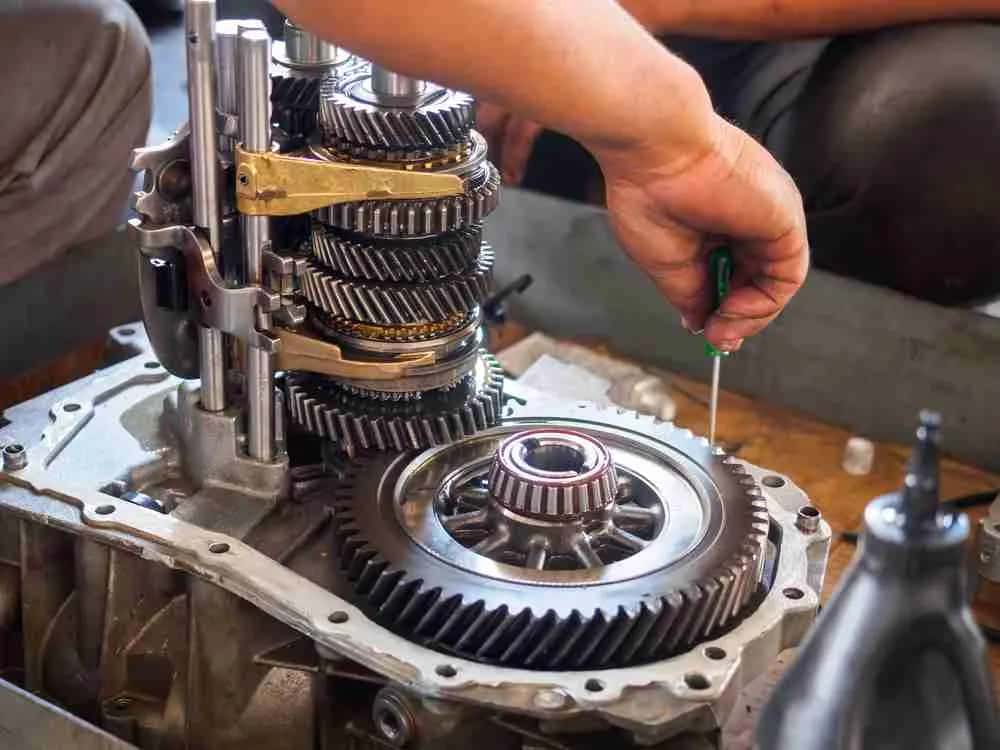
Route 66 Auto Repair in Upland diagnoses and repairs transmission oil pumps. In an automatic, the pump creates the fluid pressure that applies every gear, cools the unit and lubricates it. A weak pump shows up as a car that will not move when cold, a long delay into gear, or a whine that follows engine speed. A few manual gearboxes and transfer cases use small pumps too. We measure pressure before we recommend removing the transmission, and your written estimate shows every step.
What are the signs of a failing transmission pump?
- No movement in any gear, especially first thing in the morning
- A long pause before engaging Drive or Reverse that shortens once warm
- A whine that rises and falls with engine speed, even in Park
- Slipping in every gear at once rather than just one
- Fluid leaking from the front of the transmission, near the bellhousing
Could it be something other than the pump?
Yes, and we check those first. Low fluid starves a healthy pump and produces the same whine and delay. A clogged filter restricts the pump's intake. A stuck pressure regulator valve in the valve body can hold pressure low. On some designs, the pump is driven by the torque converter, so a converter that is not fully seated can damage the pump gear. A transmission fluid pressure testing visit separates these.
Our oil pump repair process
Step 1: Level and filter first
We confirm the fluid level hot and check the filter for restriction.
Step 2: Pressure test
A gauge on the test port shows pressure at idle and under load in each range.
Step 3: Decide on removal
Low pressure across all ranges with a good filter points to the pump or its seals.
Step 4: Repair and reinstall
The pump is replaced or resealed, the converter is seated correctly, and the unit is refilled and road tested.
What's included in pump repair
Included on the work order
- 01Fluid level and filter check
- 02Line pressure test with readings recorded
- 03Transmission removal and installation
- 04Pump replacement or reseal
- 05Front seal and converter inspection
- 06Refill, relearn and road test
Need-now or need-later?
Need now: call
- No movement or engagement that takes several seconds
- Low pressure confirmed on the gauge
Need later: book
- A faint pump whine with normal pressure, monitored
How pricing and timing work
The pump sits at the front of the transmission, so the unit has to come out. If the pump failed from debris, other internal parts may be affected, and the transmission repair options apply. We tell you what the pressure readings and pan show before quoting.
Aftercare
Watch for leaks around the bellhousing and have the level rechecked hot at a follow-up. Keeping the fluid fresh and at the right level is the best protection for a new pump. If you tow in summer, ask about a transmission cooler installation.
Frequently asked questions
Why won't my car move until it warms up?
A worn pump or worn internal seals can lose pressure when fluid is cold and thick, then work once it warms. Low fluid can do the same thing, so we check the level first.
Is a pump whine always serious?
Not always. Low fluid is a common cause and a simple fix. A whine with low pressure readings is serious and needs repair.
Can a pump be replaced without a full rebuild?
Sometimes, if the pressure loss is limited to the pump and the pan is clean. If there is heavy debris, we discuss broader repair options first.