
On this page
Route 66 Auto Repair in Upland repairs automatic transmissions by proving where the fault is before choosing the fix. Plenty of transmissions that seem finished need only a sensor, a solenoid or a valve body. Others do need a rebuild or a replacement unit. This page walks through how we decide, from the first scan to the written estimate, so you know what evidence stands behind the recommendation.
What evidence decides the repair?
Four things carry most of the weight. First, stored codes and freeze-frame data, which record the speed, gear and temperature when a fault set. Second, live data on the road, where we compare commanded gear with actual gear and watch slip values. Third, line pressure, measured with a gauge at the test port when the unit has one. Fourth, the pan: a magnet coated in fine paste is normal, while chunks of metal or clutch lining are not.
When pressure is correct and the pan is clean, the fault is often electrical and the repair stays outside the case. Low pressure in every gear plus heavy debris turns the conversation to internal work. Photos go on your repair order.
Repair, rebuild or replace: what are the choices?
- Targeted repair: a sensor, solenoid, valve body, seal or cooler line, with the transmission staying in the car.
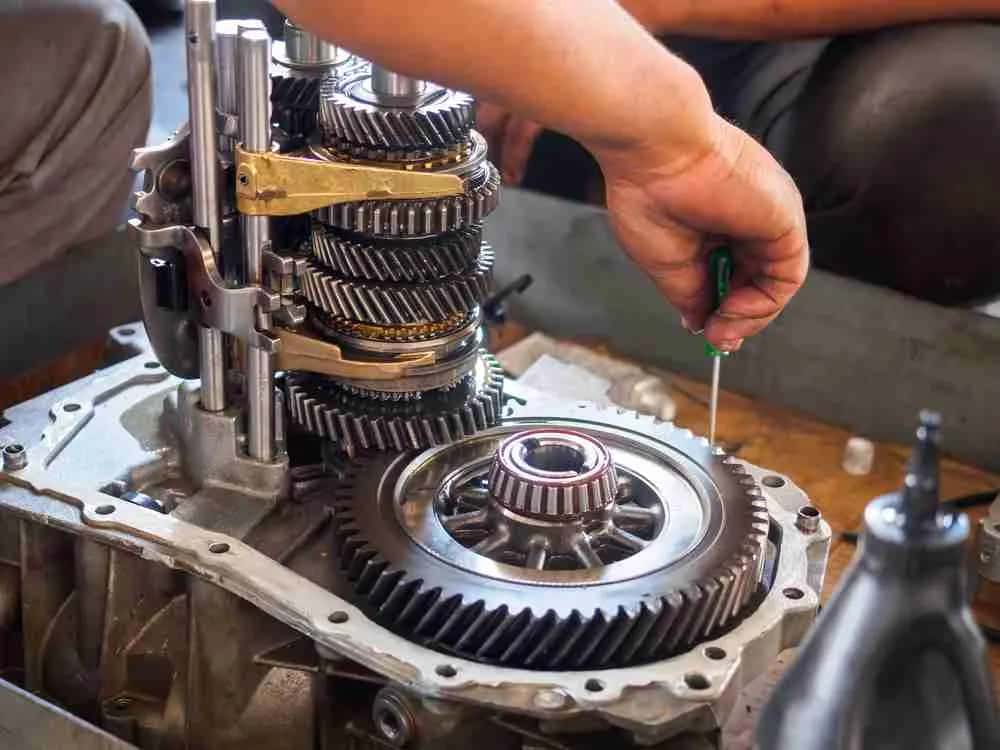
- Rebuild: your transmission comes apart and worn friction parts, seals and damaged hard parts are replaced. Your written estimate shows every step.
- Remanufactured unit: a unit rebuilt to a standard, installed in place of yours, often with its own written coverage.
- Used unit: sometimes an option on older cars, with its unknown history explained.
Our transmission repair process
Step 1: Verify the complaint
A technician reproduces the fault on a road test and records the data.
Step 2: Rule out outside causes
Fluid level, wiring, sensors, engine faults and software updates are checked first.
Step 3: Test the hydraulics
Pressure tests and a pan inspection show whether the damage is internal.
Step 4: Present the options
A written estimate lists each choice with its timing and coverage.
Step 5: Repair and relearn
After the work, adaptive values are reset and the car is road tested.
What's included in a transmission repair
Included on the work order
- 01Road test before and after the repair
- 02Code and live data review
- 03Pressure testing where the unit allows
- 04Pan and debris inspection with photos
- 05Correct fluid to the maker's specification
- 06Adaptive relearn and final quality check
Need-now or need-later?
Need now: call
- No movement or severe slipping
- Limp mode that returns after a restart
- Metal debris confirmed in the pan
Need later: book
- An occasional firm shift with no codes
- A slight pan seep with full fluid
How pricing and timing work
A targeted repair costs far less than a rebuild, which is why we test before we quote. Removal time, parts availability and your transmission model set the price of major work. Ready to book? Use our appointment page. Phone quotes are ranges until the car is inspected. External repairs are often done in a day or two, while rebuilds and replacements take longer, and we text you if the window moves. See how our estimates and pricing work.
Aftercare
Plan a fluid and leak check after major work, because new seals settle and the level should be confirmed hot. Avoid towing until we clear it. If you do tow, our transmission cooler repair page explains why fluid temperature matters so much. Warranty coverage depends on the repair and is written on your invoice.
Frequently asked questions
How do I know if my transmission needs a rebuild?
Low pressure in every gear, heavy metal or friction debris in the pan, and slip codes that remain after outside causes are fixed all point to internal damage. We show you the readings and photos before we recommend a rebuild.
Can a bad sensor feel like a failing transmission?
Yes. A faulty speed or temperature sensor can cause harsh shifts, wrong gear selection or limp mode. That is why we check sensors and wiring before any internal work is discussed.
Will you tell me if the car is not worth repairing?
We will give you the facts: the repair options, the car's other needs we found, and the timing. The decision is yours, and we respect it either way.