
On this page
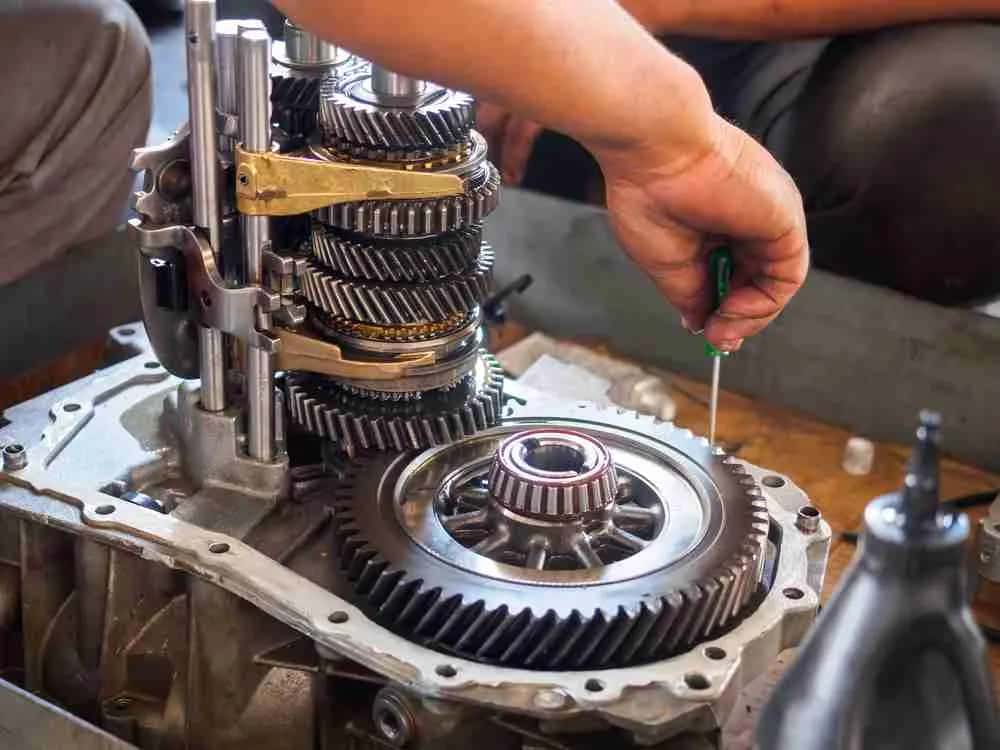
The input shaft carries power from the engine into the transmission, and Route 66 Auto Repair in Upland repairs input shafts and their bearings on manual and automatic units. On a manual, the shaft slides through the clutch disc. On an automatic, it connects the torque converter to the gear sets. When the shaft or its bearing wears, you hear it as a whine or growl, and on manuals it can come and go with the clutch pedal.
What are signs of input shaft trouble?
- A whine or rumble in neutral with the clutch pedal up that stops when pressed
- Noise in every gear that follows engine speed
- Clutch disc wear on only one side, or a disc that hangs up
- Grinding when shifting that is not fixed by clutch work
- On automatics, no drive with the engine running and good fluid
- Metal debris in the fluid
How do we tell input shaft noise from clutch noise?
On a manual, a noise in neutral that disappears when you push the pedal usually points to the input shaft bearing, because pressing the pedal stops the shaft spinning. A noise that appears only when you press the pedal points to the clutch release bearing instead. We test both ways on the lift and on the road.
On automatics, a broken input shaft or its splines often means no movement even though the engine runs normally and fluid is full. That calls for a transmission condition inspection first. Shaft repair means the unit comes out, and your written estimate shows every step. If more internal wear is found, the job may move toward a gearbox overhaul, and we call before any change.
Our input shaft repair process
Step 1: Isolate the noise
Pedal-up and pedal-down tests separate bearing and clutch noise.
Step 2: Remove the transmission
The unit comes out and the clutch or converter is inspected.
Step 3: Inspect and quote
Shaft splines, bearing and related parts are checked, photographed and priced.
Step 4: Reassemble and test
Parts are installed to spec, fluid is filled, and we road-test every gear.
What's included in input shaft repair
Included on the work order
- 01Noise isolation tests
- 02Transmission removal and reinstall
- 03Input shaft, bearing and seal inspection with photos
- 04Replacement parts as quoted
- 05Clutch or converter condition report
- 06Fresh fluid and road test
Can input shaft wear wait?
Need now: call
- No drive or slipping from a broken shaft
- Loud grinding that gets worse
Need later: book
- A faint bearing hum in neutral, monitored
- Planning shaft work with an upcoming clutch job
What sets the price?
Transmission removal time is the biggest factor, followed by the parts found worn inside. On manuals, it often makes sense to replace a worn clutch while the unit is out, and we list that as an option, not a requirement. The diagnostic fee is stated at the counter and applies to approved related repair. Jobs like this take more than a day, and we text if the timing changes.
After the repair
Drive gently for the first few days and listen. Clutch engagement may feel different if the clutch was replaced too. Return if any noise comes back; comebacks go to the front of the line.
Frequently asked questions
Is an input shaft bearing noise dangerous?
Not immediately, but it grows. A failed bearing can damage the shaft, gears and clutch. Check it before a long trip.
Should I replace my clutch at the same time?
If the clutch is worn, doing both saves removing the transmission twice. We show you the clutch condition so you can decide.
Why is my automatic not moving when the engine runs?
Causes include very low fluid, a failed pump, a broken input shaft or a failed converter. A condition inspection finds which one.