
On this page
A heater core bypass loops the heater hoses together so coolant stops flowing through a leaking core. Route 66 Auto Repair in Upland can do one as a short-term measure with your written approval, and we also repair bypasses done elsewhere that leak or kink. Either way, we explain that a bypass takes away heat and defrost, and we help you plan the real fix.
When does a bypass make sense?
A leaking heater core can fog the windshield with coolant film, soak the carpet and drop coolant fast enough to overheat the engine. If the core replacement cannot be scheduled right away, looping the hoses stops the leak and keeps the engine safe. It is a bridge to the repair, not the repair.
The tradeoff is real. Without coolant flow, there is no cabin heat, and the defroster can only move unheated air. On a cold, damp morning that means slower clearing of the glass.
What goes wrong with a bypass done elsewhere?
- A loop hose kinked at a tight bend, restricting flow
- A mismatched coupler that leaks or pushes off under pressure
- A hose resting on the exhaust manifold
- Air trapped in the engine after the bypass, causing hot spots
- Pipes at the firewall left open, letting debris into the core
Our bypass repair process
Step 1: Pressure test
The cooling system is pressure tested to confirm where coolant is escaping.
Step 2: Build or correct the loop
The hoses are joined with a proper coupler and routed clear of heat and sharp edges.
Step 3: Cap the core
The heater core pipes are capped so the core stays clean for later reconnection.
Step 4: Bleed and road-test
Air is purged and engine temperature is watched on a road test.
What's included in heater core bypass repair
Included on the work order
- 01Cooling system pressure test
- 02Loop hose, coupler and clamps
- 03Capping of the heater core pipes
- 04Coolant top-off and air bleed
- 05Road test with temperature check
- 06Written note that the bypass is temporary
Need-now or need-later?
Need now: call
- Coolant film on the glass or a wet floor
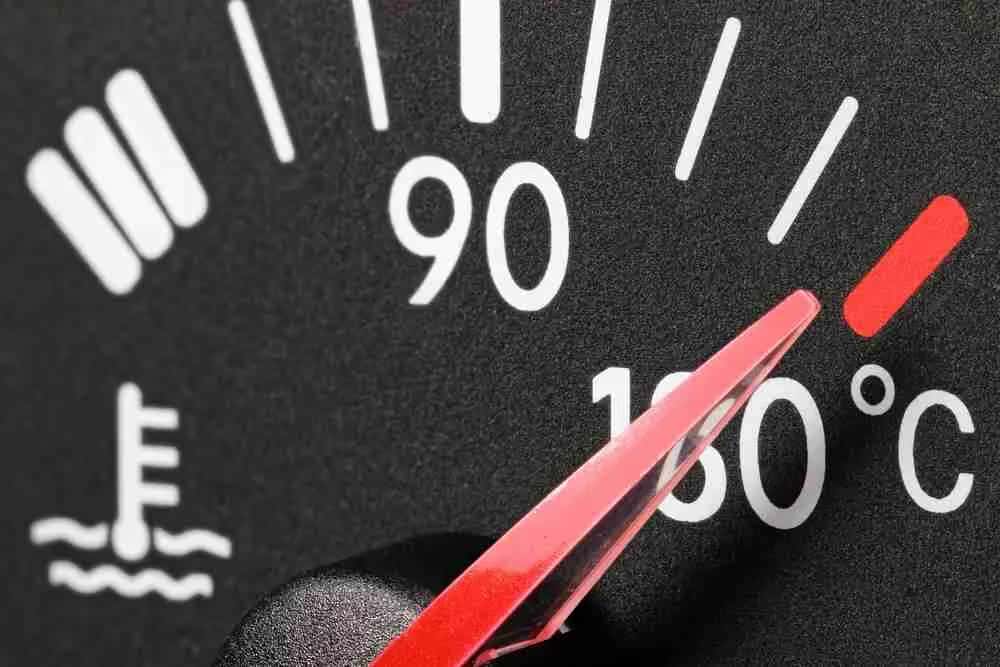
- Coolant loss that makes the gauge climb
- A leaking bypass coupler
Need later: book
- Scheduling the permanent core repair before cold, wet weather
How pricing and timing work
A bypass is a short job, and coolant is its own line. The permanent fix is on heater core service, which can be a dash-out job on many vehicles. If the leak was really at a hose, heater core hose repair may make the bypass unnecessary. A restricted core that is not leaking may respond to a heater core flush instead.
Driving with a bypass
Leave extra time on cool mornings for the glass to clear, and keep a cloth in the car. Check coolant weekly. Book the core repair before the rainy months.
Frequently asked questions
Is it safe to drive with a bypassed heater core?
Many drivers do it for a short time, but you lose heated defrost, which affects visibility in cold or wet weather. That is why we only do it with your approval and treat it as temporary.
Will a bypass hurt my engine?
A properly routed bypass keeps coolant moving through the engine as normal. A kinked or leaking one can cause overheating, which is why we pressure test and road-test.
Can the core be reconnected later?
If the core was capped and kept clean, a new core goes in during the permanent repair and the hoses are reconnected to it. The old loop is removed.