
On this page
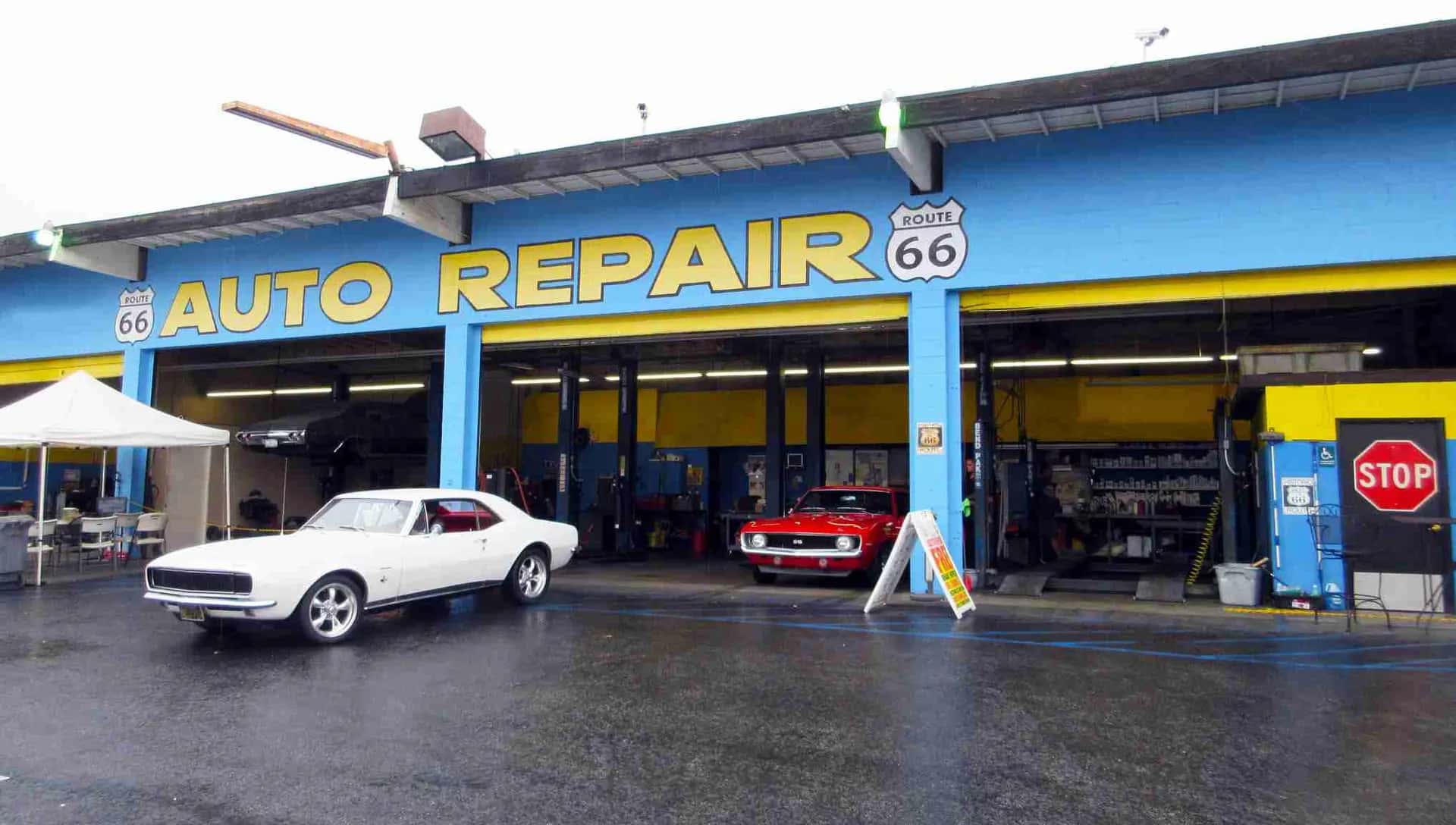
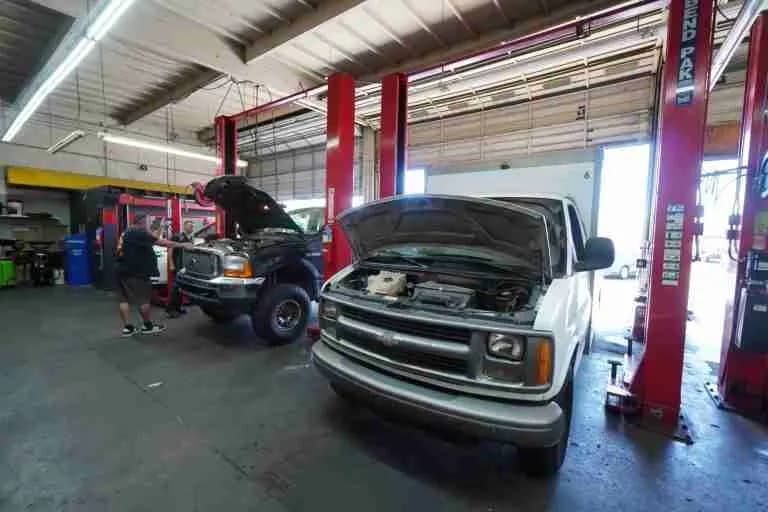
Engine performance tuning at Route 66 Auto Repair in Upland means bringing a tired engine back to how it ran when new. We do not sell a one-size tune-up. Our ASE-certified technicians road-test the vehicle, read live engine data, and check ignition, fuel, air and compression to find what is costing you power or smoothness. Then the written estimate lists only the parts and service that the test results support, marked need-now or need-later.
What tells you an engine is due for tuning?
- Sluggish acceleration merging onto the 10 or the 210
- Falling fuel economy with no change in your driving
- Rough or surging idle at stoplights
- Hesitation when you press the pedal hard
- The engine struggles on grades it used to climb easily
What does tuning mean on a modern engine?
Modern engines manage timing and fuel through the computer, so there is little to adjust by hand. Tuning today means finding what has worn or drifted: fouled spark plugs, a dirty throttle body, a lazy oxygen sensor, clogged filters, vacuum leaks, or a software update the maker released for your model.
We focus on factory performance. If a test shows low compression or a mechanical fault, we tell you plainly, because no tune will fix that. You can check for open recalls on your vehicle with the NHTSA recall lookup (opens in a new tab).
Our engine performance tuning process
Step 1: Listen and road test
We ask what changed and drive the vehicle to feel the problem.
Step 2: Read live data
A scan tool shows fuel trims, sensor readings, misfire counts and codes.
Step 3: Check the basics
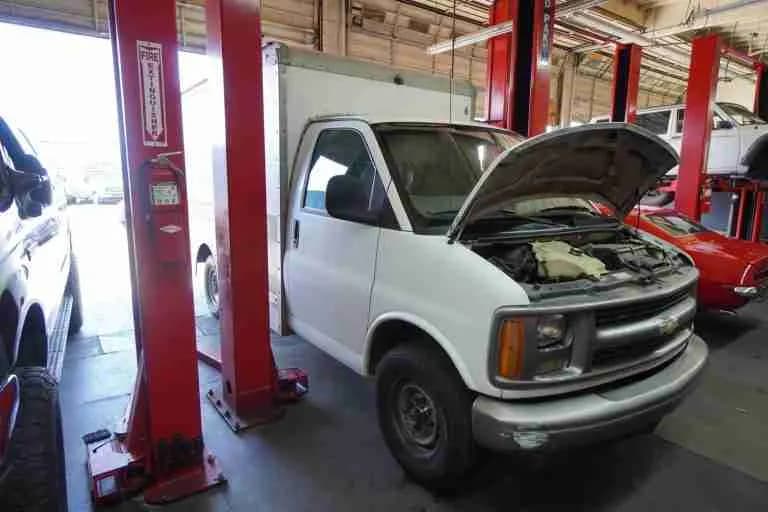
Plugs, coils, air filter, throttle body, vacuum lines and fuel pressure are inspected.
Step 4: Recommend by result
Each finding goes on the estimate with its reading and a need-now or need-later label.
Step 5: Repair and retest
Approved work is done, then data and a road test confirm the improvement.
What's included in engine performance tuning
Included on the work order
- 01Road test with notes on your concern
- 02Scan for codes and live data review
- 03Ignition system inspection
- 04Air intake and throttle body check
- 05Vacuum leak check
- 06Written findings with before and after data
Is performance tuning need-now or need-later?
Need now: call
- A flashing check engine light or active misfire
- Hesitation that makes merging unsafe
Need later: book
- A small drop in fuel economy with no codes
- Plugs and filters near their scheduled interval
How pricing and timing work
After tuning
Track your fuel economy over the next few tanks. Some engines relearn fuel trims over a few drive cycles, so smoothness can keep improving for a week. If a warning light returns, call and we review the saved data.
Frequently asked questions
Do you install aftermarket performance chips or tunes?
Our tuning work is about restoring factory performance through testing and repair. Tell us what you have in mind at intake and we will explain what we can take on.
What's the difference between a tune-up and tuning?
An old-style tune-up replaced a set list of parts. We test first and replace what the results show, so you are not paying for parts that are still good.
Will tuning improve my gas mileage?
If worn parts are hurting efficiency, fixing them usually helps. We show before and after data so you can see the change instead of taking our word for it.