
On this page
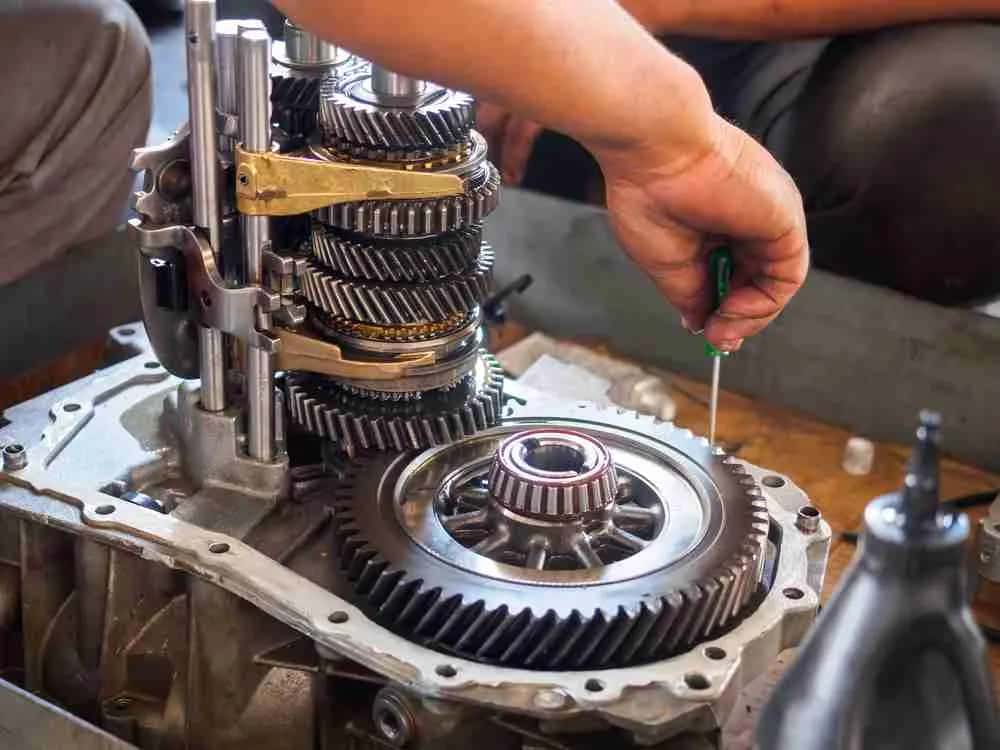
Route 66 Auto Repair in Upland repairs torque converter clutch, or TCC, problems: the lockup system that joins the engine to the transmission at cruising speed. When it misbehaves, you feel a shudder at 35 to 55 mph, notice RPM hunting up and down on the 210, or see a lockup code. Many TCC faults are controlled from outside the converter, so this page focuses on how we separate a control fault from a worn clutch.
What does a torque converter clutch problem feel like?
The classic sign is a light, fast shudder, like driving over rumble strips, during gentle acceleration between about 35 and 55 mph. It often goes away if you press the pedal harder or lift off. Other signs: engine speed that rises and falls a few hundred RPM on a flat freeway, a stall when you come to a stop, or a drop in fuel economy because the clutch never locks.
What can you check, and what do we test?
- You can note: the speed, gear and engine temperature when shudder starts, and whether it happens with the AC on or off.
- You can check: whether the check engine light is on, and when the fluid was last serviced.
- We test: the lockup command against actual slip on a scan tool during a drive.
- We test: the TCC solenoid's resistance and wiring, and the fluid's condition.
- We rule out: engine misfires, which feel similar under light load, using check engine light diagnostics data.
Our TCC repair process
Step 1: Reproduce the shudder
We drive at the speed you described with live slip data recording.
Step 2: Check controls
Solenoid, wiring and software updates are checked first.
Step 3: Address the fluid
Aged fluid is a common cause, and a fluid service with the specified fluid sometimes calms a mild case.
Step 4: Replace what failed
A solenoid is replaced where it sits; a worn lockup clutch means a converter replacement.
What's included in TCC diagnosis and repair
Included on the work order
- 01Road test with commanded and actual slip data
- 02TCC solenoid and circuit testing
- 03Engine misfire check
- 04Fluid condition check
- 05Software update lookup
Need-now or need-later?
Need now: call
- Stalling when coming to a stop
- Shudder that is getting stronger each week
Need later: book
- A faint shudder only in one narrow speed band, with clean fluid
How pricing and timing work
A solenoid or wiring repair can be modest, especially if it is reached through the pan. A fluid service is less still. A worn lockup clutch means replacing the torque converter, which means removing the transmission. We explain which one we found before quoting.
Aftercare
If we did a fluid service for mild shudder, drive normally for a couple of weeks and tell us if the shudder returns. Stored lockup data sometimes needs time to relearn. A transmission fluid inspection at your next oil change keeps an eye on it.
Frequently asked questions
Why does my car shake at 40 mph but not at 70?
That pattern often points to the lockup clutch applying and slipping unevenly during light load. At higher speed it is fully locked or under different load. A misfire can cause a similar feel, so we check both.
Can additives fix torque converter shudder?
We do not rely on them. The correct fluid in good condition is what the clutch needs. If shudder remains after that, the fault is in the controls or the clutch itself.
Is TCC shudder dangerous?
It is not usually an immediate safety risk, but the heat it creates wears the converter and fluid. Stalling at stops is the exception, since it can leave you stuck in traffic.