
On this page
The torque converter is the fluid coupling between your engine and automatic transmission, and Route 66 Auto Repair in Upland diagnoses and replaces it when it fails. It lets the engine idle at a stop in Drive and multiplies torque when you pull away. When a converter wears out, you may feel weak takeoff, hear a whir, or see the fluid run hot. Replacing one means removing the transmission, so we test carefully first.
What is inside a torque converter?
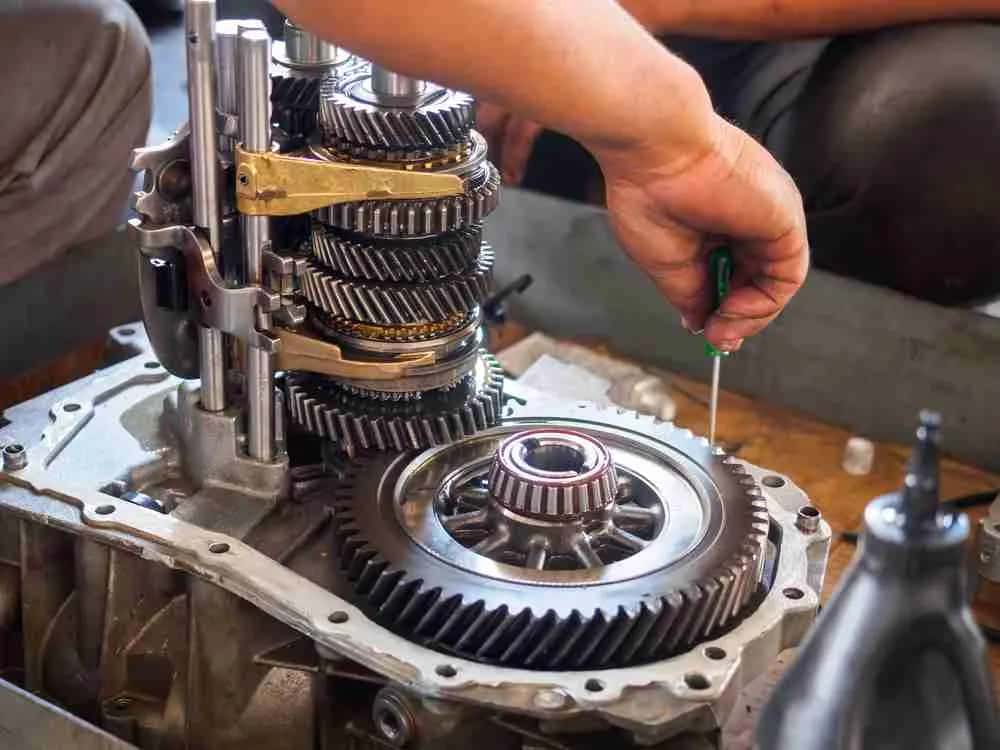
Picture two fans facing each other in a sealed, fluid-filled housing. The engine spins one side, called the impeller, and the moving fluid turns the other side, the turbine, which drives the transmission. Between them sits the stator, which redirects fluid to multiply torque at low speed. A one-way clutch holds the stator still. Most converters also have a lockup clutch, covered on our torque converter clutch repair page.
The converter is welded shut. It cannot be opened for a quick look, so diagnosis relies on behavior, data and what shows up in the fluid.
What are the signs of a bad torque converter?
- Sluggish acceleration from a stop that improves once moving, often a slipping stator clutch
- A whirring or grinding noise that changes with engine speed in gear
- Fluid that overheats quickly in traffic
- Fine metal in the pan with no other obvious source
- A vibration at idle in Drive that goes away in Neutral
Our torque converter repair process
Step 1: Rule out the engine
Weak power can be a misfire or a clogged exhaust, so we scan the engine too.
Step 2: Test behavior
Live data, fluid temperature and noise checks point toward or away from the converter.
Step 3: Remove the transmission
Once approved, the transmission comes out for access.
Step 4: Replace and flush the cooler
A new converter goes in, and the cooler circuit is cleaned so old debris does not return.
Step 5: Install and verify
Converter engagement is checked before bolting up, then the car is road tested.
What's included in torque converter replacement
Included on the work order
- 01Replacement torque converter
- 02Front pump seal inspection or replacement
- 03Cooler and line flushing
- 04Correct fluid refill and hot level check
- 05Road test and leak check
Need-now or need-later?
Need now: call
- Grinding noise with metal in the fluid
- Overheating that triggers a warning
Need later: book
- Mild softness from a stop with clean fluid, monitored with a follow-up check
How pricing and timing work
Most of the labor is removing and installing the transmission, which varies a lot between a rear-drive truck and a crowded front-drive car. If the transmission is out, we will tell you whether other seals or parts are worth doing at the same time. Your written estimate shows every step. See transmission repair for how we decide if more work is justified.
Aftercare
Drive gently for the first day, then check for leaks at the bellhousing area. Come back for a fluid level recheck if we ask. If you tow, consider a transmission cooler to keep converter heat under control.
Frequently asked questions
Can a torque converter be repaired without removing the transmission?
No. The converter sits between the engine and transmission, so the transmission has to come out. Some converter-related faults, like a lockup solenoid, can be fixed without removal, which is why we test first.
Is a bad torque converter the same as a bad transmission?
Not always. A converter can fail on its own. If it shed a lot of debris, though, the transmission may be affected too, and we will show you what the pan and fluid reveal.
Can I keep driving with a failing converter?
If it is only a little soft from a stop, short gentle trips are usually fine until the visit. Grinding noise or overheating means stop and call us.