
On this page
A radiator cap test puts your cap on a tester with the right adapter and pumps pressure until the valve releases. That tells us whether the cap holds the pressure your system is designed for. Route 66 Auto Repair in Upland runs this test on radiator caps and pressurized reservoir caps, checks the seals by eye, and writes down the result so you know whether the cap stays or goes.
When should the cap be tested?
- Coolant level slowly dropping with no visible leak
- Coolant in the reservoir boiling or pushing out the vent
- At every coolant service or radiator replacement
- When buying a used car with unknown history
- After overheating, since heat can weaken the spring
How does the test work?
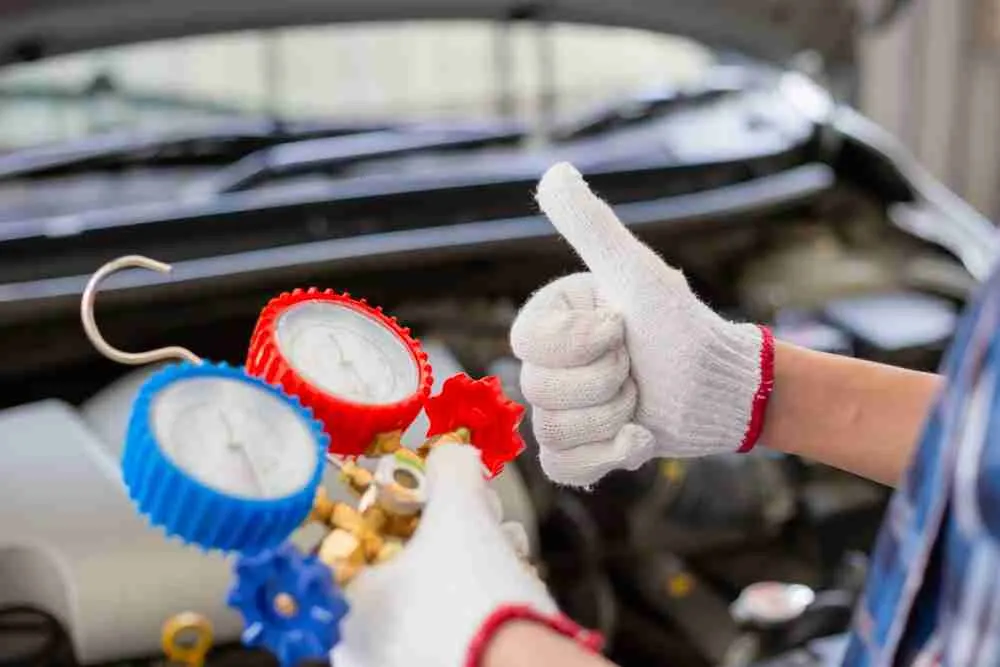
The cap is fitted to a hand pump tester with an adapter that matches its size and thread. We slowly raise the pressure and watch the gauge. A good cap holds steady up to its rated point and then releases. A weak cap releases too early, and a stuck one does not release at all. We also look at the rubber seal for cracks, flattening or a deposit that stops it from seating.
The cap test pairs with a test of the whole system, where the tester pressurizes the radiator neck to check for leaks. That test is covered on cooling system pressure test.
Our cap test process
Step 1: Cool down
The cap is only removed with the engine cool, for your safety and ours.
Step 2: Inspect the seals
The pressure seal and the small return valve are checked for wear and debris.
Step 3: Pressure test
The cap is tested with the correct adapter and compared to its rating.
Step 4: Record the result
Pass or fail is written on the repair order, with a replacement quoted only if it fails.
What's included in a radiator cap test
Included on the work order
- 01Visual check of the pressure seal and return valve
- 02Pressure hold and release test with the correct adapter
- 03Filler neck inspection for nicks or corrosion
- 04Written pass or fail result
- 05Replacement cap quote if it fails
What does a failed cap test mean?
Need now: call
- Cap releases well below its rating
- Torn or missing seal
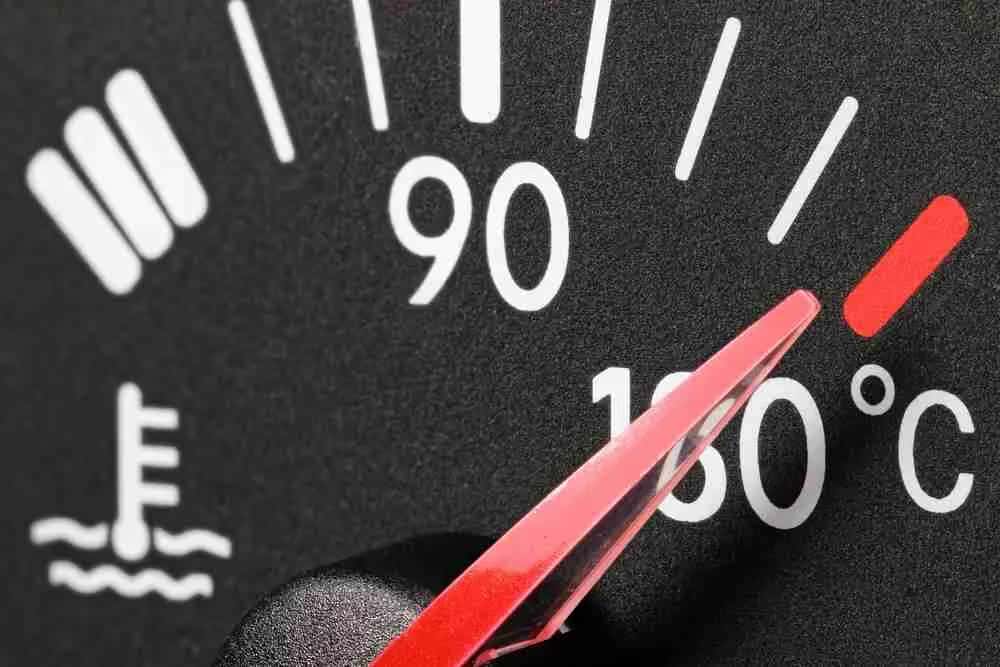
- Coolant boiling or overheating on the drive
Need later: book
- Cap passes but the seal is starting to harden
- Light corrosion on the filler neck with a good seal
How pricing and timing work
A cap test is short and is often part of a larger cooling test. If it is the only thing you need, the counter will tell you the fee up front, and it applies to approved related repair. A new cap is a small part. If the neck is damaged, the fix may be different, and the estimate explains that. For cap parts only, see radiator cap replacement.
After the test
If your cap passed and the coolant still drops, the next step is a deeper leak search. If the cap was replaced, check the reservoir cold for a week. Call (909) 646-4111 if anything changes.
Frequently asked questions
Can I test a radiator cap at home?
Not accurately without a tester. Looking at the seal helps, but a cap can look fine and still release early.
Does a new cap need testing?
It is a good habit. Occasionally a new cap is wrong for the vehicle or defective, and testing catches that.
Why is the cap on my reservoir instead of the radiator?
Many newer cars use a pressurized reservoir. Its cap does the same job and is tested the same way with a different adapter.