
On this page
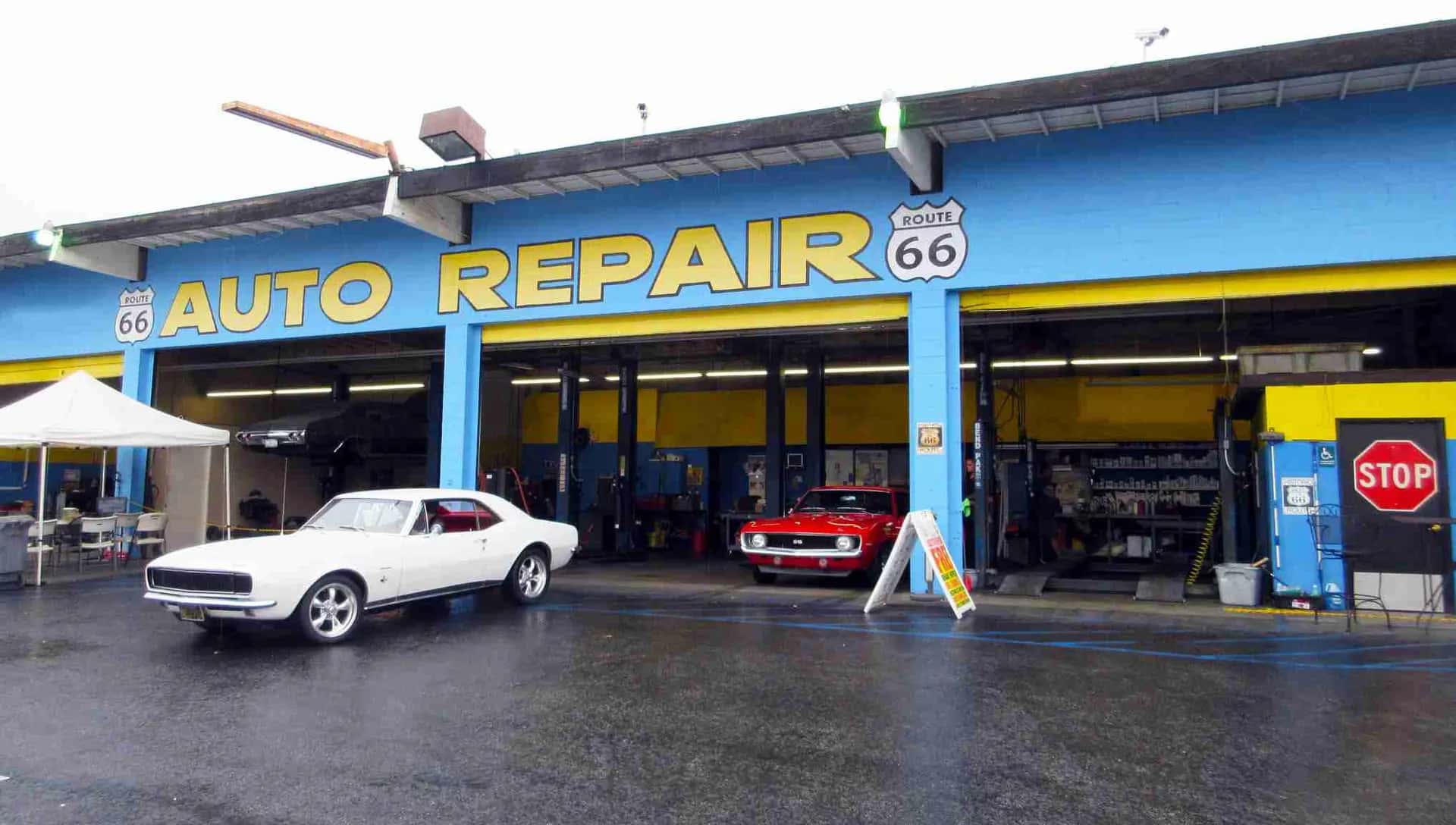
The intake manifold carries air into each cylinder. A leaking gasket, a cracked plastic manifold or a stuck runner valve lets in unmetered air, which brings a high idle, lean codes and a hesitation off the line. Route 66 Auto Repair in Upland smoke tests the intake to find the exact leak before quoting. On some V-engines the manifold also carries coolant, and we check for that too. The estimate is written before work starts.
What are the signs of an intake manifold problem?
- High or surging idle, often with a hiss
- Lean codes or misfire codes on one side of the engine
- Coolant loss with no drip, or coolant under the manifold
- A whistle that changes when you touch the throttle
- Runner control or intake valve codes
Why do intake manifolds fail?
Many engines use plastic manifolds. Years of heat cycles in Inland Empire summers make them brittle, and a crack can form near a mounting boss or a vacuum port. Gaskets harden and shrink in the same heat.
Older V6 and V8 engines route coolant through the manifold. When those gaskets fail, coolant can leak outside, or into the oil, which is a serious problem. We check the oil for milky signs when the manifold is on our list.
Our intake manifold repair process
Step 1: Smoke test
We fill the intake with visible smoke and watch where it escapes.
Step 2: Check coolant and oil
On engines with coolant passages, we pressure test the cooling system and look at the oil.
Step 3: Remove and inspect
The manifold comes off, the ports are covered, and the sealing surfaces are checked for flatness and damage.
Step 4: Replace and torque
New gaskets or a new manifold go on, and bolts are torqued in the specified sequence.
Step 5: Retest
We smoke test again, check fuel trims, and road test.
What's included in intake manifold repair
Included on the work order
- 01Intake smoke test before and after
- 02Coolant pressure test on applicable engines
- 03New intake gaskets, or a manifold as quoted
- 04Vacuum hose and connector check
- 05Torque to spec in sequence
- 06Fuel trim check and road test
Need-now or need-later?
Need now: call
- Coolant in the oil or steady coolant loss
- Misfires or stalling from a large leak
Need later: book
- A small leak with a slightly high idle
- Hardened gaskets found during other work
How pricing and timing work
Aftercare
Idle should settle at its normal speed within a few drives. If the manifold carried coolant, check the level cold for a week. Leaks that started as a high idle are sometimes paired with a dirty throttle body, so we note that if we see it. A related gasket job, valve cover gasket repair, is often visible with the manifold off.
Frequently asked questions
Can a vacuum leak damage my engine?
A small leak mostly costs drivability and mileage. A large one can cause lean misfires, and lean running at high load raises combustion heat. A coolant leak into the oil is the one that can damage bearings fast. A check engine light diagnosis shows how lean it is running.
Can a cracked plastic intake manifold be repaired?
Epoxy patches rarely hold under heat and vacuum. We quote a replacement manifold when the plastic is cracked, and a gasket job when the manifold itself is sound.
Should I replace other parts while the manifold is off?
Sometimes. Spark plugs, some sensors and hoses are easier to reach with the manifold removed. We list those as optional lines, so you can decide what makes sense.