
On this page
This page is a plain-language tour of the parts under your car that hold it up and point it where you want to go. Route 66 Auto Repair in Upland inspects and repairs all of them, and knowing the names helps you read an estimate with confidence. When you are ready for specifics, the suspension and steering services hub lists every repair we offer.
What does a suspension actually do?
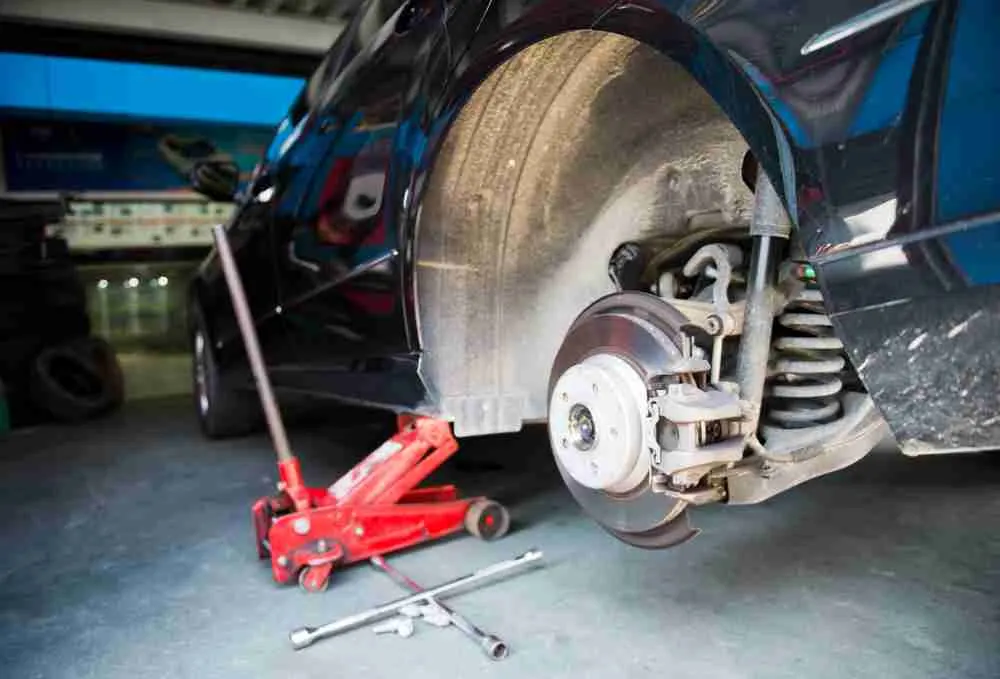
Springs carry the weight of the car and whatever you load into it. Dampers, meaning shocks or struts, slow the spring down so the car settles after a dip instead of bouncing like a pogo stick. Control arms, ball joints and bushings locate each wheel so it moves up and down without wandering forward, back or sideways.
The sway bar ties the left and right sides together so the body leans less in corners. When a spring, damper or arm wears, the other parts work harder, which is why one tired part tends to age its neighbors.
What connects your steering wheel to the tires?
Turn the wheel and the steering column spins a shaft into a steering rack, or a steering gearbox on many trucks. The rack slides left or right and pushes on inner tie rods, which thread into outer tie rod ends, which bolt to the steering knuckles. Any looseness along this chain shows up as play at the wheel.
For hands-on detail, see our pages on tie rod end repair and steering rack replacement.
How we walk you through your own car
Step 1: Name the symptom
We translate what you feel into the parts that could cause it and write that on the repair order.
Step 2: Show the part
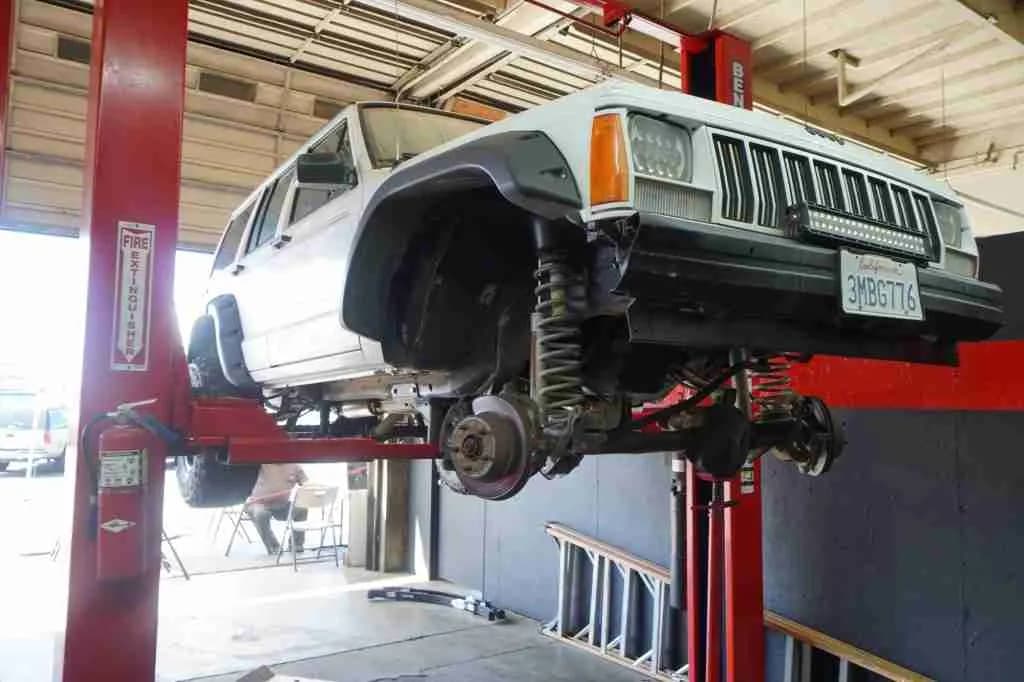
On the lift, the technician points out the part, and we photograph it if it is worn.
Step 3: Explain the link
We explain how that part affects its neighbors, so you understand why one repair may lead to an alignment.
Step 4: Put it in writing
The estimate lists each part by name, labeled need-now or need-later.
What's included when we explain your suspension findings
Included on the work order
- 01Plain-language names for each part on the estimate
- 02Photos of any worn part, tied to the matching estimate line
- 03Tire wear notes that show how the parts are behaving
- 04A clear note on which repairs change steering angles
Which parts are safety items and which are comfort items?
Need now: call
- Ball joints, tie rods and hubs with measurable play
- Broken springs or a detached strut mount
- Steering that binds, sticks or feels loose
Need later: book
- Soft but dry shocks and struts
- Noisy but tight sway bar links
- Minor cracking in rubber bushings
How pricing and timing work
Aftercare
Keep an eye on tire wear and listen for new noises after any front-end work. Uneven wear or a crooked wheel means something still needs attention. Our tire wear analysis is a quick way to check.
Frequently asked questions
What is the difference between a shock and a strut?
Both control spring motion. A strut also carries weight and serves as a structural part of the suspension, often holding the spring and a steering pivot. A shock only damps. Replacing a strut usually changes alignment angles, while replacing a shock usually does not.
Are steering and suspension the same system?
They share parts and space, but they do different jobs. Suspension carries the car and controls wheel movement; steering points the wheels. Tie rods and knuckles sit where the two meet, which is why a worn suspension part can make the steering feel wrong.
How often should suspension and steering be checked?
A yearly look is sensible for most drivers, and sooner if you hit a big pothole or curb, notice new noises, or see odd tire wear.