
On this page
This page is a map of your brake system, so you can match what you feel to the right service. Route 66 Auto Repair in Upland inspects and repairs every part of it, from pads and rotors to hoses, the master cylinder and the anti-lock system. Every visit starts with a measurement and a written estimate, not a guess about what might be wrong.
What happens between your foot and the wheel?
Press the pedal and a pushrod moves pistons inside the master cylinder. The brake booster, usually powered by engine vacuum or an electric pump, multiplies your effort so the pedal does not feel like a leg press. Brake fluid does not compress, so that push travels through steel lines and flexible rubber hoses to each wheel.
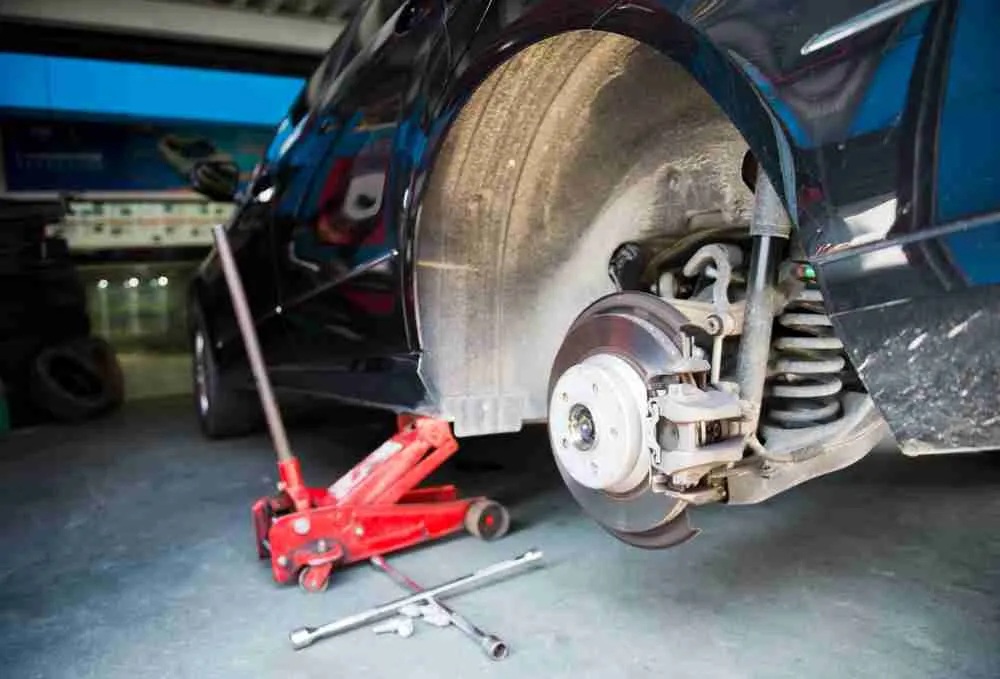
At the wheel, the fluid pushes caliper pistons, which squeeze pads against a spinning rotor, or it pushes wheel cylinder pistons that press shoes outward against a drum. Friction turns the car's motion into heat. Every other part of the system exists to make that squeeze strong, even and easy to control.
Which brake parts wear out and which ones fail?
Wear parts are planned expenses. Failures are the surprises, and they are the reason we look well past the pads on every inspection.
| Part | Wears or fails? | What usually ends its life |
|---|---|---|
| Pads and shoes | Wears | Friction material used up by ordinary stops |
| Rotors and drums | Wears | Thickness lost to pad contact, plus heat damage |
| Brake fluid | Wears | Moisture absorbed over time |
| Calipers and slide pins | Fails | Corrosion, torn boots, seized pistons |
| Hoses and steel lines | Fails | Cracking, internal swelling, rust-through |
| Master cylinder and booster | Fails | Worn internal seals, vacuum leaks |
| ABS sensors and module | Fails | Damaged wiring, debris, internal electronic faults |
Which service matches your problem?
- Noise when stopping: start with brake pad replacement and a rotor measurement.
- Pedal or steering shake: check rotor condition first, and sometimes suspension and steering parts.
- Soft pedal or a wet spot near one wheel: likely brake line repair or hose work.
- Amber ABS light: ABS system diagnostics before anyone buys parts.
- No symptoms, just due: a routine brake service and a fluid moisture test.
How we approach any brake visit
Step 1: Describe
Tell the counter what you feel and when. Details like only when cold or only after the freeway save test time.
Step 2: Verify
We reproduce the symptom on a road test, then put the car on the lift.
Step 3: Trace
The technician follows the system from pedal to wheel and records what is in spec and what is not.
Step 4: Decide
You get a written estimate that separates safety items from work you can schedule.
What every brake inspection covers
Included on the work order
- 01Pedal height and feel check
- 02Fluid level and moisture condition
- 03Pad or shoe thickness at each wheel
- 04Rotor or drum measurement
- 05Hose, line and caliper leak check
- 06Warning light and code check
- 07Parking brake hold test
How do we rank what we find?
Need now: call
- Any fluid leak in the hydraulic system
- A red brake warning light that stays on
- Pads worn to the backing plate
Need later: book
- Fluid that is aging but still tests acceptable
- Pads with roughly a third of their lining left
- Light rust on a rotor edge outside the pad path
What decides the price of a brake visit?
Frequently asked questions
Can you check my brakes, belts, and fluids in one visit?
Yes. Tell the counter you want all three looked at. We measure the brakes, look over the belts for cracks and glazing, and check fluid levels and condition. Anything that needs work lands on one written estimate with need-now and need-later labels.
How do I know my brake pads are actually worn out?
You usually cannot tell by looking through the wheel. A squeal on most stops, a longer pedal, or a dash wear light are clues. The real answer is a thickness measurement with the wheels off, which we write on your repair order.
Are drum brakes worse than disc brakes?
Not for the job they do. Many cars use drums on the rear, where less stopping force is needed, and they often last a long time. They do need periodic adjustment and hardware checks, which we include whenever we inspect them.