
On this page
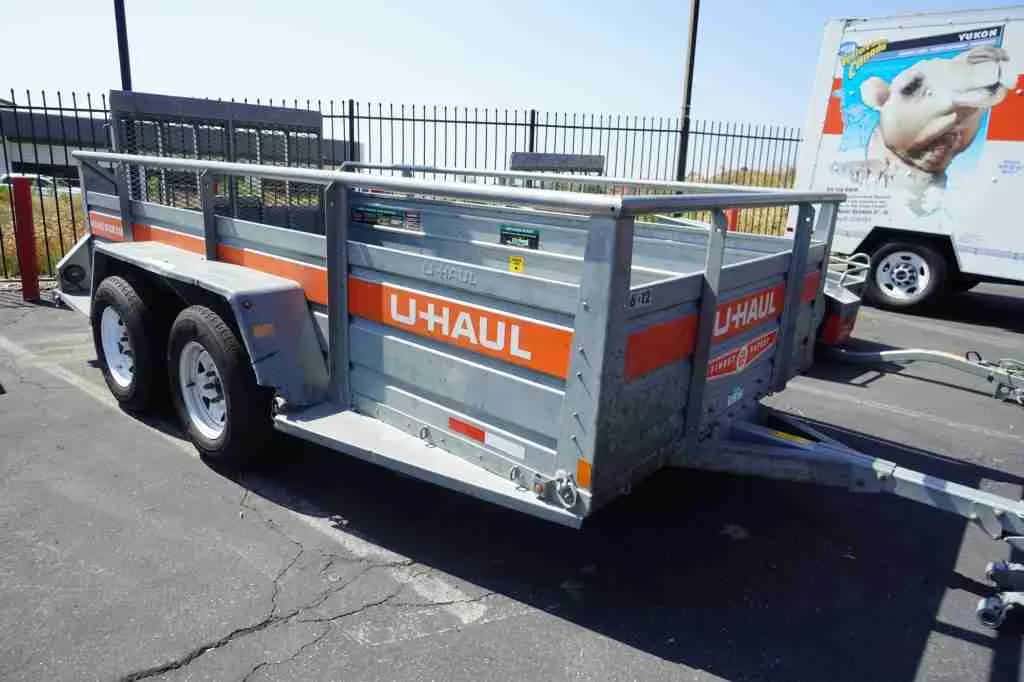
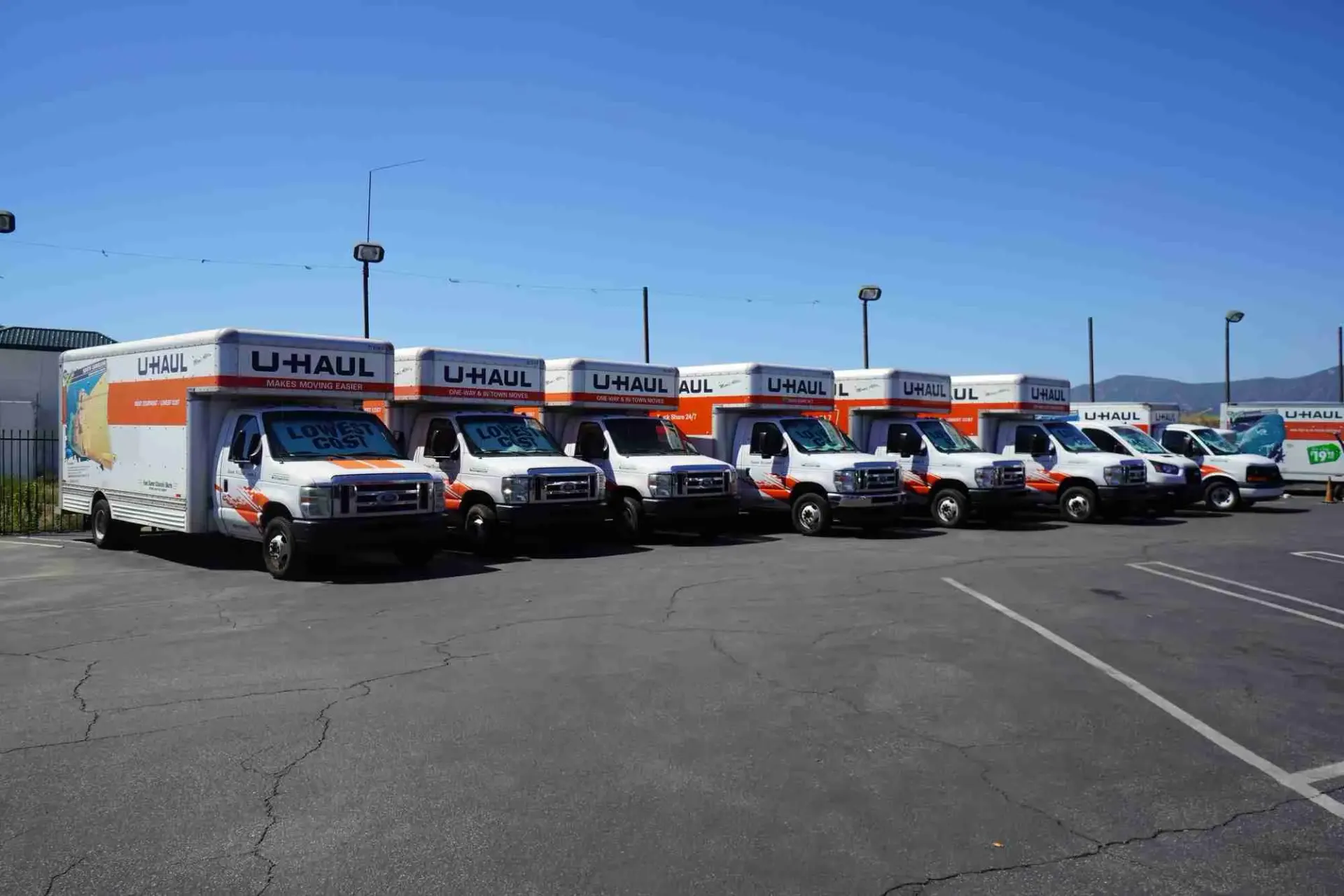
An open utility trailer is a flat deck with low sides and no roof, and Route 66 Auto Repair in Upland rents them in five U-Haul sizes. If you have never towed one, this page covers the basics: what open trailers do well, the California road rules that apply, and how to tarp a load. Reserve on uhaul.com, and a technician checks your hookup for free at pickup.
What are the pros and cons of an open trailer?
Open trailers load from any side, take tall items and wash out fast. They also leave your load exposed to sun, wind and road grit, and anything loose can fly off. That trade-off decides most rentals.
- Pro: load with a shovel, a forklift or by hand from the side
- Pro: tall or odd-shaped items are not limited by a roof
- Pro: easy to see past in your mirrors
- Con: no protection from rain, sun or theft
- Con: every item must be strapped or tarped
What California towing rules should you know?
In California, a vehicle towing a trailer is limited to 55 mph, even where the posted limit is higher. On freeways, keep to the right lane, or either of the two right lanes where there are four or more lanes in your direction. Those rules catch many first-time towers on the 10 and the 210.
Your load must be secured so nothing can drop, shift or blow out. Loads that extend four feet or more past the rear need a red flag, and a red light at night. The California DMV (opens in a new tab) driver handbook covers the details.
How do you tarp an open load?
Lay the tarp over the load with extra hanging on every side. Run straps across it and hook them to the trailer's tie-down points, not to the tarp grommets alone, which tear at speed. Tuck the front edge under so wind cannot catch it and turn it into a sail. Check the tarp at every stop. A flapping corner is a sign it is about to let go.
Our open trailer pickup process for first-timers
Step 1: Talk it through
Tell the counter it is your first tow, and we explain what to expect.
Step 2: Look it over
We walk the deck, tires and tie-down points and take photos.
Step 3: Hook up
A technician confirms ball size, latch, pin and crossed chains.
Step 4: Test lights
Brake, turn and running lights are checked while you watch.
Step 5: Practice
Take a slow lap of the lot and a few turns before you pull out into traffic.
What's included with an open utility trailer
Included on the work order
- 01Counter check-in and contract review
- 02Deck and tie-down walk-around
- 03Checkout photos
- 04Free hookup check
- 05Trailer light test
- 06First-time tower tips at pickup
First tow: need-now or need-later?
Need now: call
- Mirrors that do not show the lanes beside the trailer
- No working trailer plug on the vehicle
- Warning lights on the dash before the trip
Need later: book
- Towing mirrors for future long trips
- A spare tire that is low but present
- A small windshield chip outside your line of sight
How pricing and timing work
U-Haul sets rates for every open trailer size, and yours appears on uhaul.com when you book. The hookup check is free. First-timers should budget a few extra minutes at pickup for questions. If a warning light is on, our check engine light diagnostics are paid work, with the fee stated at the counter before testing and a written estimate before any repair.
Returning your first trailer
Return the deck clean with the tarp and straps removed. Photos of the deck and your parking spot protect you. See every size on the utility trailers page, or start with the 4x7 utility trailer for a light first tow. The after-hours return page covers late drop-offs.
Frequently asked questions
How fast can I drive while towing a trailer in California?
The limit is 55 mph when towing, even where the posted speed is higher. Slower speeds also reduce sway and shorten your stopping distance, which matters with a loaded deck.
Which lane should I use when towing on the freeway?
Use the right lane, or either of the two right lanes when there are four or more lanes in your direction, unless signs mark a specific lane for vehicles towing trailers.
Do I need a tarp for an open trailer?
You need one for anything loose that could blow out, such as leaves, mulch, dirt or light debris. Strap the tarp down firmly and check it at every stop.