
On this page
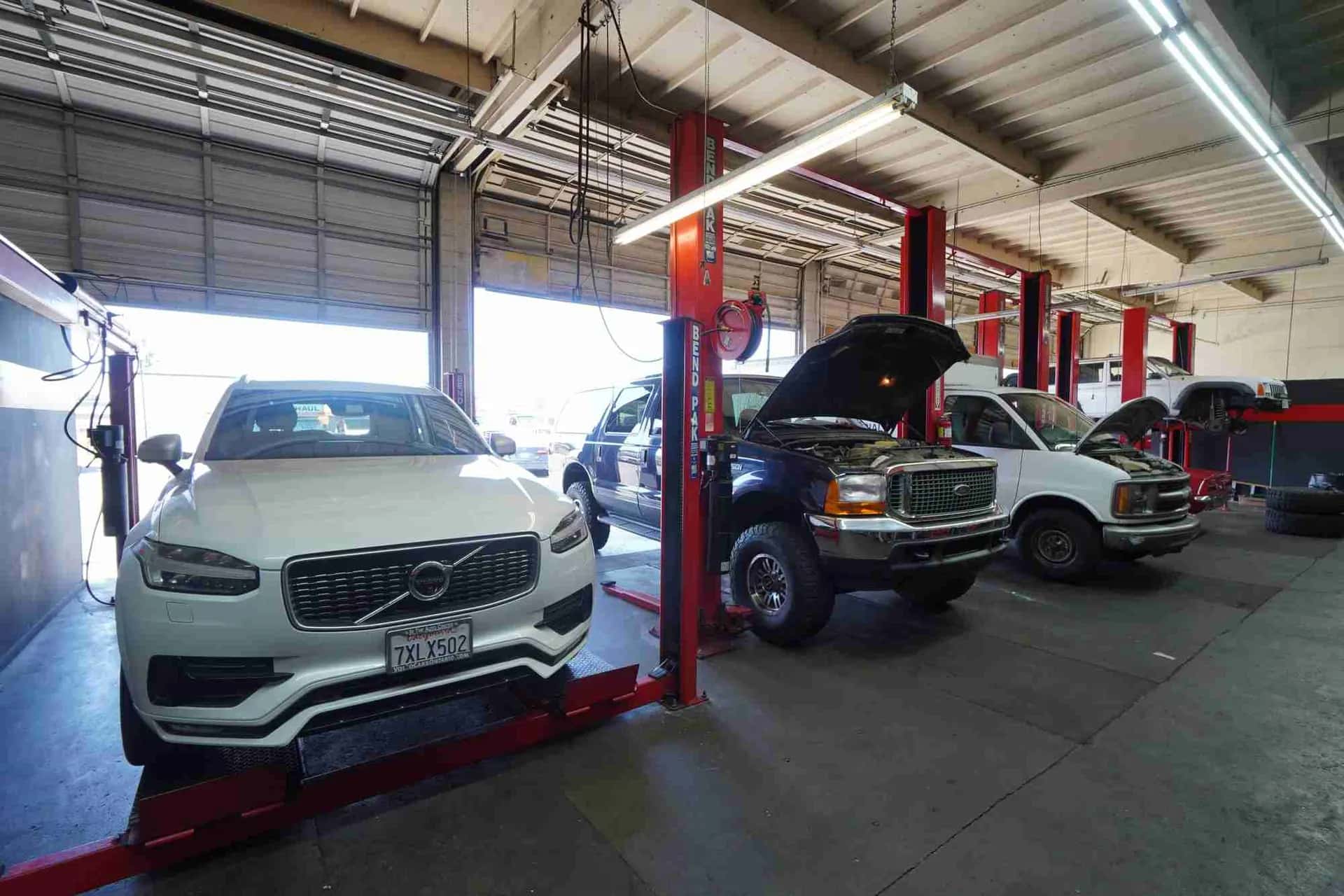
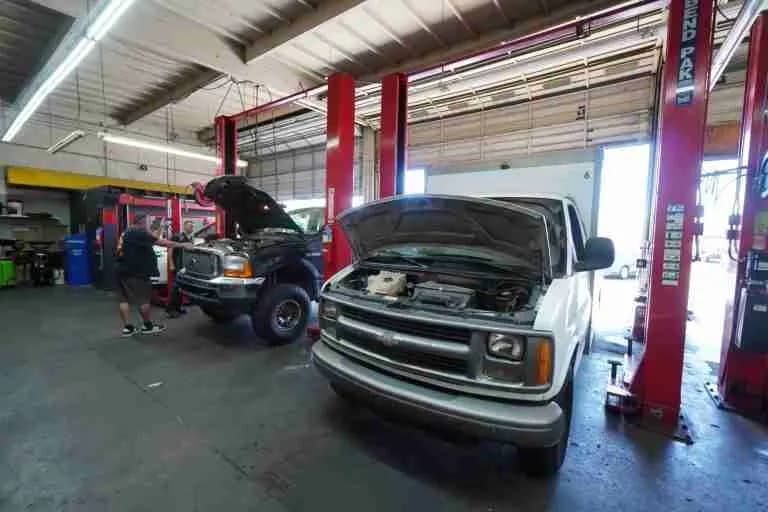
If your car suddenly sounds like a race car, rattles underneath at idle, or leaves a burnt smell in the cabin, Route 66 Auto Repair in Upland can find the cause and fix it. Our ASE-certified (opens in a new tab) technicians put the car on a lift, trace the leak or loose part from the engine back to the tailpipe, and take photos of what they find. You get a written estimate, with each line marked need-now or need-later, before any work starts. We are on Foothill Blvd at Central Ave, one block east of In-N-Out Burger.
Loud, rattling or smelly exhaust: what is your car telling you?
Exhaust trouble tends to show up all at once: the whole street hears your cold start, or a buzz appears at every light on Foothill Blvd. It is embarrassing and worrying, because you cannot see what broke. Most exhaust sounds and smells point to a fairly specific area, so use this table to judge how soon you need us.
Two symptoms move to the top of the list no matter how the car drives: exhaust fumes you can smell inside the cabin, and a flashing check engine light. The first can put carbon monoxide where you breathe. The second can overheat the catalytic converter within a short drive.
| What you notice | Likely cause | Need it now or later? |
|---|---|---|
| Exhaust smell inside the cabin | A leak ahead of the rear axle, a cracked manifold, or a tailpipe that ends under the car | Now. Drive with windows open and come in before the next long trip. |
| Sudden roar on acceleration | A rusted-through pipe, a failed flex joint, or a muffler that has split open | Soon. Loud is not unsafe by itself, but the leak point needs checking for fumes. |
| Ticking at cold start that fades as the engine warms | A leaking manifold gasket, a broken stud or a cracked manifold | Soon. The leak usually grows and can scorch nearby wiring. |
| Metallic rattle at idle or over bumps | A loose heat shield, a broken hanger, or loose baffles inside the muffler or converter | Later for a shield rattle, sooner if a hanger is broken and the pipe is sagging. |
| Rotten egg smell after hard driving | A converter working too hard, often because of a fuel mixture problem upstream | Soon. Find the upstream cause before the converter is damaged. |
| Flashing check engine light | An active misfire sending unburned fuel into the converter | Now. Ease off, avoid the freeway and call before driving far. |
| Pipe or muffler hanging low or scraping | Rusted hanger brackets, torn rubber isolators or impact damage | Now if it drags. A dragging pipe can catch on the road and tear loose. |
How does your exhaust system work, from manifold to tailpipe?
Every time a cylinder fires, it pushes hot gas out through the exhaust manifold bolted to the side of the engine. From there the gas passes the upstream oxygen sensor, which reports the fuel mixture to the engine computer, and then enters the catalytic converter. The converter uses precious metals on a honeycomb core to turn the harshest gases into less harmful ones. A second oxygen sensor behind it checks that the converter is doing its job.
After the converter, the gas travels through pipes, often a flexible joint, one or more resonators and the muffler. Resonators and mufflers use chambers, perforated tubes and packing to cancel sound waves. Finally, the tailpipe carries the gas out past the rear bumper, where it can blow away from the cabin. Rubber isolators and steel hangers hold the whole run under the car while letting it move as the engine rocks.
Because it is all one path, a problem in one spot shows up somewhere else. A misfire can ruin a converter. A torn isolator can crack a pipe. That is why we look at the full run, and why our exhaust services overview walks through each part in order.
Is an exhaust smell in the cabin dangerous?
Exhaust contains carbon monoxide, a gas you cannot see or smell on its own. The smell you notice comes from other exhaust gases, and it tells you that exhaust is getting somewhere it should not. The CDC explains carbon monoxide poisoning (opens in a new tab) symptoms: headache, dizziness, nausea and drowsiness. If you or your passengers feel that way, get out of the car and get fresh air.
The common paths into the cabin are a leak at the manifold or front pipe that feeds the fresh-air intake, a rusted pipe under the floor, and a tailpipe that is broken off short so the gas pools under the car in traffic. Our exhaust leak inspection is built around finding exactly where the gas is escaping, with the engine running and the car on the lift.
Why do exhaust systems wear out around Upland?
Inland Empire driving has its own ways of eating an exhaust. Short trips are the big one. Burning fuel makes water, and on a quick run to the store the system never gets hot enough to boil it off. That water sits in the muffler and pipes and rusts them from the inside out, which is why so many mufflers fail at the bottom seam first.
Heat and load matter too. A loaded minivan climbing the Cajon Pass or the 57 grade on a summer afternoon runs the manifold and converter very hot, and repeated heat cycles crack manifolds and loosen studs. Speed bumps and steep driveways north of Foothill Blvd bend pipes and snap hangers. Converter theft is another local worry, especially for trucks and SUVs that sit high.
What does a catalytic converter code mean?
A catalyst efficiency code means the engine computer compared the two oxygen sensors and decided the converter is no longer cleaning the exhaust well enough. It does not always mean the converter is the bad part. A lazy downstream sensor, an exhaust leak ahead of that sensor, or a misfire can all trigger the same code. We test those first, and our check engine light diagnostics page explains how the scan and follow-up tests work.
When a converter truly has failed, we also want to know why. Oil burning, coolant leaks into the cylinders and repeated misfires are the usual killers, and a new converter fails the same way if the cause stays. If replacement is the answer, our catalytic converter replacement page covers parts, fitment and California requirements. California-compliant parts are required where applicable, and we explain what fits your vehicle before you approve anything.
Can a muffler or pipe be repaired, or does it need replacing?
Sometimes a repair is the honest answer. A leak at a flange gasket, a loose clamp, a torn rubber isolator or a rattling heat shield can usually be fixed without replacing major parts. Our muffler repair page goes deeper on when a muffler is worth saving.
Replacement makes more sense when the metal around the damage is thin. We tap suspect sections and check them under the light. If the pipe flakes or the muffler case is soft along its seam, a patch will just move the leak a few inches. We then quote the affected section and say whether the parts beside it have life left. Your written estimate shows every step, including any cutting, fitting or joining, so you know what you are paying for.
Our exhaust repair process, step by step
Step 1: Tell us what you hear and smell
At the counter we write down the noise, the smell and when it happens: cold start, idle, acceleration or bumps. You choose wait or drop-off at intake.
Step 2: Listen with the engine running
A technician runs the engine and, where needed, road-tests the car to reproduce the sound before anything is taken apart.
Step 3: Lift inspection from manifold to tailpipe
With the car in the air we check every joint, pipe, hanger, shield and sensor along the run, and tap suspect metal for thin spots.
Step 4: Scan and test if a light is on
For a check engine light or a converter concern, we read codes and sensor data. The diagnostic fee is stated at the counter before testing and applies to approved related repair.
Step 5: Photos and a written estimate
We send photos of the leak or broken part and write an estimate with each line marked need-now or need-later. Nothing extra happens without your approval.
Step 6: Repair to spec
We replace or repair only what you approved, using new gaskets, hardware and isolators where the job calls for them. If the job grows, we stop and ask again.
Step 7: Leak check and road test
We run the engine to check the joints for leaks, clear codes where appropriate, and road-test for noise and rattles before you pick up.
What's included in an exhaust visit at Route 66 Auto Repair
Included on the work order
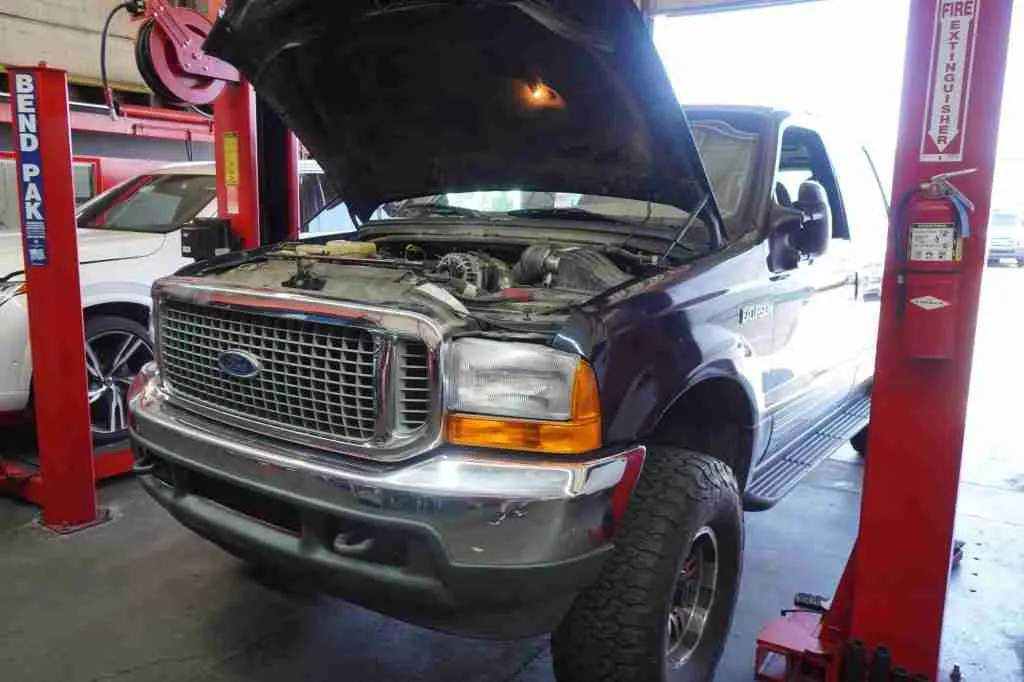
- 01Full lift inspection from the exhaust manifold to the tailpipe tip
- 02Engine-running leak check at every joint and gasket
- 03Hanger, isolator and heat shield condition check
- 04Oxygen sensor and converter check when a warning light is on
- 05Photos of leaks, cracks or broken parts
- 06Written estimate with need-now and need-later lines
- 07New gaskets and hardware on any joint we open
- 08Post-repair leak check and road test
Which exhaust repairs are need-now and which can wait?
Need now: call
- Exhaust fumes you can smell inside the cabin
- A flashing check engine light or a misfire
- A pipe, muffler or converter dragging or hanging by one mount
- A leak close to wiring, brake lines or the fuel tank
Need later: book
- A rattling heat shield with no leak behind it
- Surface rust on pipes that still ring solid when tapped
- A worn but intact rubber isolator, noted for the next visit
- A slightly louder muffler with no leak ahead of the rear axle
How do pricing and timing work for exhaust repair?
We do not quote a flat exhaust price over the phone, because the same loud noise can come from a clamp or from a rusted system. Phone quotes are ranges until the vehicle is inspected. What changes the price: the vehicle, which section failed, whether parts are direct-fit or need fitting, how badly the bolts and studs are rusted, and whether sensors or heat shields need to come off. If we hit a seized manifold stud, we stop and call before going further.
How do exhaust problems connect to the engine, chassis and diesel work?
An exhaust complaint is often the first clue to something else. A converter that keeps failing points us to the engine, and a failing upstream sensor may call for oxygen sensor replacement. A pipe that keeps cracking at the same joint may be telling us about a worn engine or transmission mount, which lets the engine rock too far.
Clunks are not always exhaust, either. A loose sway bar link can sound like a broken hanger, so we glance at the suspension and steering parts nearby. Diesel owners have extra parts in the exhaust stream, such as particulate filters, and those needs are covered on our diesel exhaust system repair page.
What should you expect after an exhaust repair?
A faint burning smell for the first few drives is normal. New pipes and mufflers carry a light coating from manufacturing, and new gaskets and anti-seize give off a little smoke as they heat up. It should fade within a few days. A smell that grows, or any smell inside the cabin, is a reason to call us.
If the check engine light was on, it may take several drive cycles for the computer to finish its self-tests after a repair. Listen for new rattles over the first week, especially over speed bumps, and tell us if one appears. Comebacks go to the front of the line, and the root cause is written on the repair order.
Every exhaust services page
Each page explains the symptoms, how we test, what the work order includes and what to ask before you approve.
Frequently asked questions
Why is my exhaust suddenly so loud?
A sudden roar usually means something opened up: a pipe rusted through, a flex joint split, a gasket blew out or the muffler seam gave way. Loud alone is not an emergency, but the leak could be letting fumes near the cabin. Drive with the windows cracked and call us so we can put it on the lift.
Is it safe to drive with an exhaust leak?
For a short trip with a small leak behind the cabin, usually yes. If you smell exhaust inside the car, feel headachy or drowsy, or the pipe is dragging, stop driving it. We accept tow-ins, and our after-hours key drop lets you leave the car when we are closed.
Can you tell me if my catalytic converter is really bad?
Yes. We read the codes, compare the oxygen sensor data and check for leaks or misfires that can fake a converter failure. A converter code does not always mean a new converter. If it is the converter, we also look for the cause so the replacement lasts.
Do you replace stolen catalytic converters?
Yes. We inspect the cut pipes, the oxygen sensor wiring and anything else the thief damaged, then write an estimate for the full repair. California-compliant parts are required where applicable, and we explain the options for your vehicle. If you file an insurance claim, our written estimate and photos document the damage.
Can a muffler be repaired or must it be replaced?
It depends on the metal around the problem. A loose clamp, a broken hanger or a small leak at a joint can often be repaired. If the muffler case is thin or split along a seam, replacement is the lasting fix. We show you photos so you can see which one it is.
How long does an exhaust repair take?
Hanger, clamp and many muffler jobs can often be done the same day when the board allows. Manifold work and converter replacement can take longer, especially if parts must be ordered or studs are seized. We give you a realistic window at intake and text you if it slips.
What is that rattle under my car when I idle?
Most often it is a heat shield that has rusted loose from its mounting points, and it is usually more annoying than dangerous. A broken hanger or loose baffles inside the muffler or converter can sound similar. We find the source on the lift and tell you honestly whether it can wait.
Do you work on truck and fleet exhaust systems?
Yes. We work on pickups, vans and fleet vehicles, and fleets get unit numbers on invoices and priority when the board allows. Diesel owners can bring their trucks in too. Tell us about any particulate filter or warning messages at intake.