
On this page
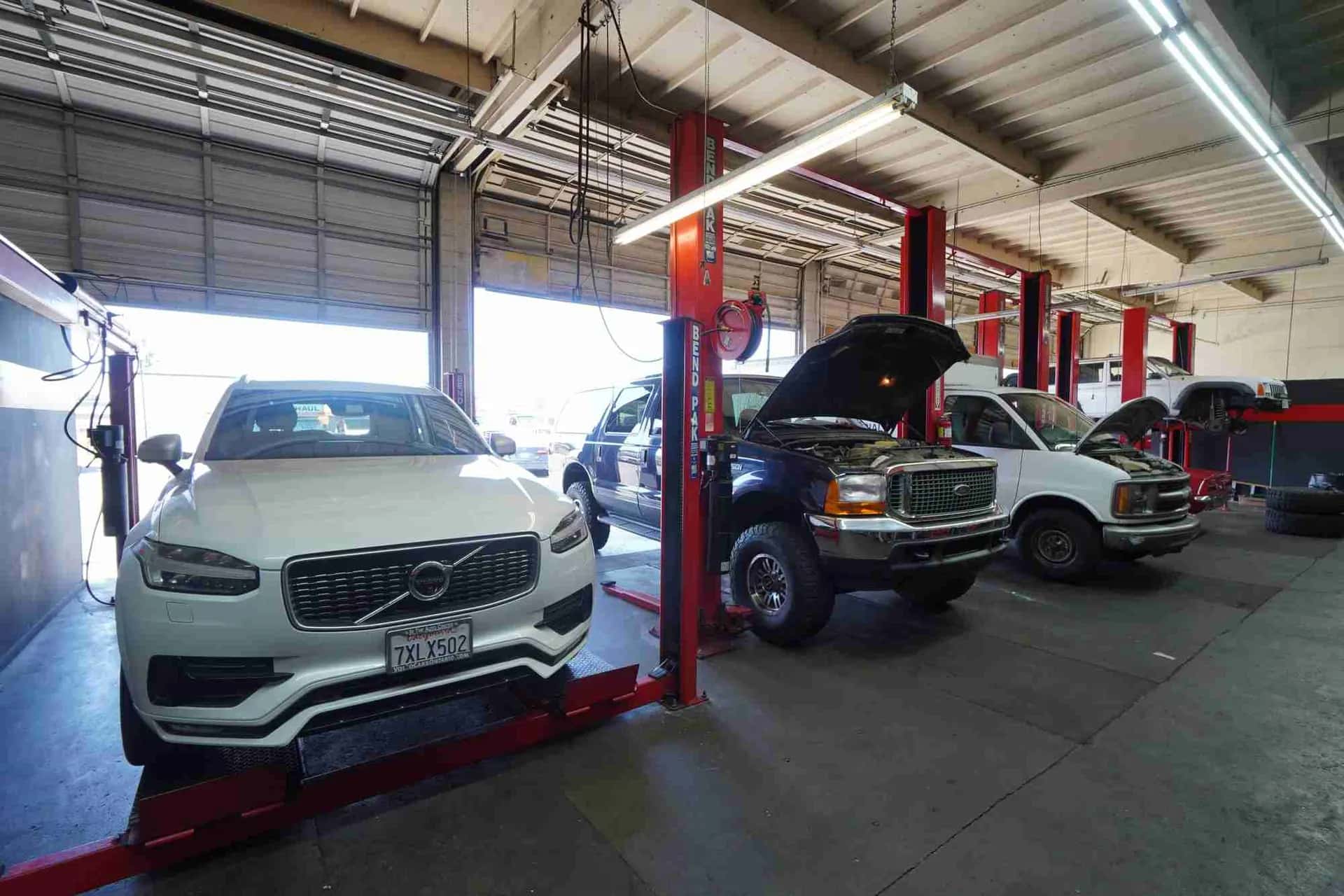
Route 66 Auto Repair is a general auto repair shop in Upland at 1775 W Foothill Blvd, and yes, we can help with most things a car, truck or work van needs: diagnosis, repair, scheduled maintenance, urgent breakdowns and fleet units. ASE-certified technicians do the work. You get a written estimate before anything extra is done, and the counter states the diagnostic fee before testing starts. com/autorepair/) facility.
Car acting up and not sure who to trust?
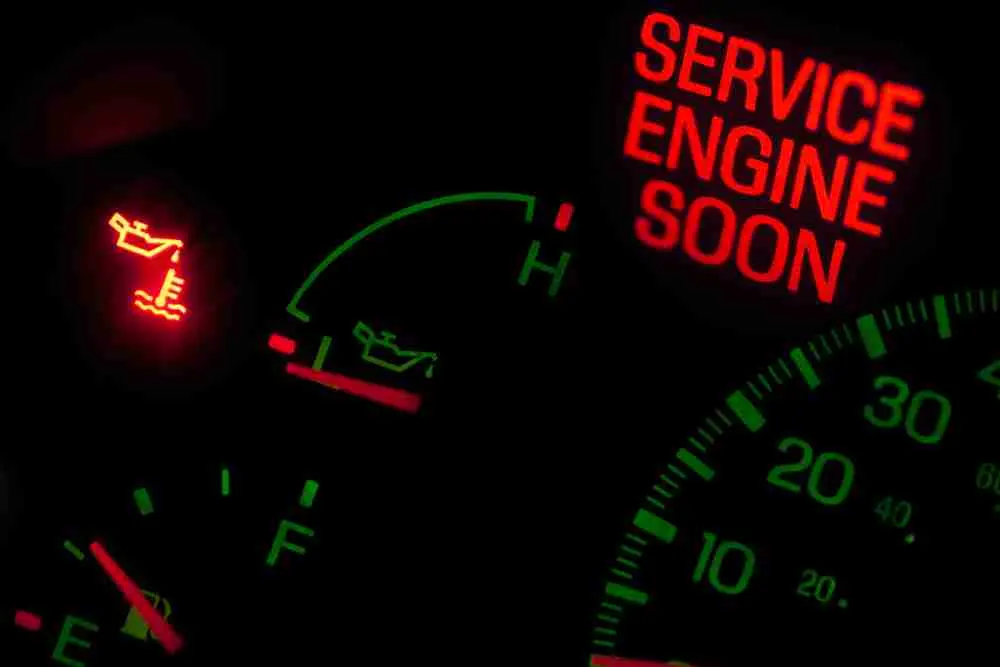
Most calls start with a bad feeling. A grinding noise showed up on the 210. The temperature needle climbed in stop-and-go traffic on a hundred-degree afternoon. A warning light came on and the car still drives, so you wonder whether it can wait. Under all of it sits the real worry: that a shop will find a long list of things you did not ask about and hand you a bill you cannot check.
We answer that worry with process, not promises. A technician tests before replacing anything. The findings go on the repair order in plain words, with photos when the failed part is the point. You see a written estimate that splits safety and strand risks from items that can be scheduled. You decide. If the job grows once the car is apart, we stop and ask again before a wrench turns.
What does a general auto repair shop fix?
This hub covers four kinds of visits. Each links to a deeper service page when you want the details.
- General repair: brakes, steering, suspension, cooling, electrical, engine and drivability faults. Start with the auto repair overview or go straight to brake services.
- Maintenance: oil and filter service, fluids, belts, hoses, spark plugs and the inspections that catch wear early. See car maintenance and the scheduled tune-up.
- Urgent breakdowns: no-starts, overheating, a sudden loss of brakes or a car that arrives on a tow truck. Read emergency auto repair for what to do first.
- Commercial and fleet units: work vans, pickups and light trucks that earn money every day, with unit numbers on each invoice. Details are on commercial vehicle repair.
- Inspections: a multi-point inspection during service, or a deluxe pre-purchase inspection before you buy a used car.
- Light body and glass: handled in-house. For major structural damage, we assess it and explain your options honestly.
Common symptoms and what we check
A symptom is a starting point, not a diagnosis. This table shows where a technician looks first. The written findings tell you what actually failed.
| What you notice | What we check first | Usually urgent? |
|---|---|---|
| Grinding or squealing when braking | Pad thickness, rotor surface, caliper slide pins, brake fluid condition | Yes if metal on metal or the pedal feels different |
| Temperature gauge climbing in traffic | Coolant level and leaks, radiator fan operation, thermostat, pressure test | Yes. Pull over before the engine is damaged |
| Check engine light, steady | Stored codes, live data, freeze-frame data, related wiring | Usually schedule soon; it depends on the code |
| Check engine light, flashing | Misfire data, ignition coils, spark plugs, fuel delivery | Yes. A flashing light can overheat the catalytic converter |
| Slow crank or no start | Battery load test, cable ends, starter draw, charging output | Strand risk now |
| Car pulls or the steering wheel shakes | Tire wear pattern and pressure, wheel balance, suspension and steering joints | Depends on what is loose |
| Clunk over bumps or driveways | Sway bar links, control arm bushings, ball joints, struts and mounts | Yes if a steering or ball joint is worn |
| Drips under the car | Fluid type and color, source of the leak, level in each reservoir | Brake fluid or fuel: now. Most oil seeps: later |
| AC blowing warm at idle | Vent temperature, compressor clutch, condenser fan, leak check | Comfort item, but hard to live without in July |
| Harsh or slipping shifts | Fluid level and condition, transmission codes, road test under load | Schedule soon before damage spreads |
General repair: test first, then fix
General repair is the everyday work that keeps a vehicle safe and dependable. It covers the systems people notice when they fail: brakes that grind, a starter that clicks, a cooling fan that never comes on. The common thread is diagnosis. A technician confirms the cause with a scan, a measurement or a pressure test before a part is ordered, so you are not paying for guesses.
When the failed part is the point, we photograph it and can show you the old part at pickup. If a repair needs two technicians, we explain that before the clock starts. Repairs are done to spec, then checked by another set of eyes and road-tested. Items you decline stay on the repair order, so the next visit starts with an accurate history instead of a blank page.
Maintenance built for Inland Empire driving
Heat, dust and short trips are hard on cars here. Engine oil breaks down faster when the car idles in Upland traffic at triple-digit temperatures. Air filters clog from dust. Batteries lose strength sooner in heat than most drivers expect. Maintenance is how you stay ahead of those failures instead of reacting to them.
We follow the schedule your manufacturer sets, adjusted for how you actually drive. A commuter who crosses the Cajon Pass every week has different needs than a car that only goes to the grocery store. During each service, a technician looks over brakes, tires, belts, hoses and fluids and tells you what is fine, what is wearing and what needs attention now. For oil change services, filters and fluids, the estimate lists each item so you can see what you are approving.
Urgent repair when the car stops on you
A breakdown rarely happens at a good time. Get yourself somewhere safe first, then call us at (909) 646-4111. We accept tow-ins during business hours, and we have an after-hours key drop so a tow driver or a friend can leave the car when we are closed. Diagnosis begins when the shop opens.
Same-day work happens when the board allows. The board is our schedule, and we only promise what it can hold. Call before you drive over so we can tell you honestly whether a bay is free. If a look window slips, we text you instead of leaving you guessing.
Commercial vans, pickups and fleet units
A work vehicle that sits in the lot costs money every hour. For commercial customers, we put the unit number on every invoice, set up A, B and C preventive maintenance intervals so the lighter and heavier services come due on a plan, and give fleet units priority when the board allows. Diesels are welcome, and our diesel engine services page covers that work in detail.
Payment is simple: cards and cash when the vehicle is picked up. We do not run charge accounts. Fleet managers usually find that the written estimate, the need-now and need-later labels and the unit history on each invoice make approvals faster.
Our auto repair process
Step 1: Tell us the concern
At intake, you describe the problem in your own words: when it happens, how often and what it sounds or feels like. We decide together whether you wait or drop off.
Step 2: Agree on the diagnostic fee
The counter states the diagnostic fee before testing. It applies to approved related repair.
Step 3: Test and document
A technician scans, measures and road-tests as needed, writes the findings on the repair order and photographs failed parts when the part is the point.
Step 4: Written estimate
You get a written estimate with each line labeled need-now or need-later. Nothing extra starts without your approval.
Step 5: Repair and quality check
The work is done to spec. If the job grows, we stop and call you. A second check and a road test follow.
Step 6: Pickup and review
We walk you through the invoice, show old parts if you want to see them, and note any declined items on the repair order.
What's included with every repair visit
Included on the work order
- 01Intake notes recorded in your words
- 02Diagnostic fee stated before testing begins
- 03Scan, measurements and road test as the concern requires
- 04Photos of failed parts when the part is the point
- 05Written estimate with need-now and need-later labels
- 06Repair to manufacturer spec by ASE-certified technicians
- 07Quality check and road test before pickup
- 08Warranty terms written on the invoice
Which repairs are need-now and which can wait?
Every estimate we write sorts the work into two groups. Here is how that usually shakes out.
Need now: call
- Brakes that grind metal on metal, pull hard or have a low or soft pedal
- Overheating, a coolant leak onto hot parts or a fan that will not run
- A flashing check engine light or a fuel smell
- Worn steering or suspension joints, or tires showing cords
Need later: book
- Light oil seepage with a steady level
- Pads with some life left, noted for the next visit
- A cabin air filter or wiper blades nearing the end of their life
- Minor rattles from heat shields or trim
How pricing and timing work
We do not publish prices on this page because the same symptom can have very different causes. What changes the price is the part itself, the labor time the repair book lists for your vehicle, and what the technician finds once the car is apart, such as a seized bolt or a corroded connector. A phone quote is a range until the vehicle is inspected. The written estimate after testing is the number to go by, and our pricing page explains how parts and labor are figured.
Timing depends on the board and on parts availability. Many brake, battery and maintenance jobs finish the same day when the board allows. Larger repairs may need a part ordered. We give you a look window we can keep and text you if it will slip.
Hours, location and drop-off
The shop is on Historic Route 66 at Foothill Blvd and Central Ave, between the I-10 and the 210, one block east of In-N-Out Burger. Hours are Monday to Friday 8 AM to 5 PM and Saturday 8 AM to 2 PM. We are closed on Sunday. If you cannot come during those hours, use the after-hours key drop and leave a note with your name, phone number and the concern. For turn-by-turn help, see location and hours.
Aftercare: what happens after you drive away
Some repairs need a short settling period. New brake pads bed in over the first careful stops. A replaced cooling part may need the level checked after a few heat cycles. Your service writer tells you what to watch for and when to come back for any follow-up check.
If something is not right, call us. Comebacks go to the front of the line, and the root cause is written on the repair order so the fix is clear. Warranty coverage depends on the part and the repair and is written on your invoice. Keep that invoice with the car, along with the declined items list, so the next visit starts where this one left off.
Every auto repair services page
Each page explains the symptoms, how we test, what the work order includes and what to ask before you approve.
- Auto Repair Overview
- Auto Repair Near Me
- Car Repair Near Me
- Mechanic Near Me
- Certified Mechanic Services
- Trusted Auto Repair
- Local Auto Shop Services
- Affordable Auto Repair
- Best Auto Repair
- Emergency Auto Repair
- Auto Repair Open Now
- Auto Shop Open Sunday
- Weekend Auto Repair
- After-Hours Diagnostics
- Vehicle Repair
- Car Maintenance
- Scheduled Tune-Up
- Car Tune-Up
- Multi-Point Inspection
- Personalized Repair Plans
- Commercial Vehicle Repair
Videos from the shop
Frequently asked questions
Should I wait at the shop or drop my car off?
We decide that together at intake. Quick maintenance and many simple repairs work well as a wait when the board allows. Anything that needs testing, a part order or a long road test is usually better as a drop-off, and we text or call you with findings.
Can you fit in a same-day repair?
Often, when the board allows. Call before you drive over so we can check what the schedule can hold. We would rather tell you honestly that a bay is full than have you wait all afternoon for a promise we cannot keep.
Do you accept tow-ins?
Yes. We accept tow-ins during business hours, and a tow driver can use the after-hours key drop when we are closed. Call us with your name and the concern so the car is expected, and diagnosis starts when the shop opens.
Do I get a written estimate before work starts?
Yes. After testing, you get a written estimate that labels each line need-now or need-later. Nothing extra is done without your approval, and if the job grows once the car is apart, we stop and ask again. Estimates are not free; the diagnostic fee covers the testing.
What warranty comes with a repair?
Coverage depends on the part and the repair, and it is written on your invoice. Parts you supply yourself are not covered. If a repair comes back, it goes to the front of the line and the root cause is written on the repair order.
What does a multi-point inspection include?
A technician looks over brakes, tires, steering and suspension, belts and hoses, fluids, the battery, lights and wipers, then notes each finding as fine, wearing or needing attention now. It is a condition check, not a full diagnosis of a specific complaint.
What is a tune-up on a modern car?
Modern engines no longer need points or carburetor adjustments. Today a tune-up usually means spark plugs at the scheduled interval, air and cabin filters, a scan for stored codes and a look at ignition parts and belts. Your manufacturer schedule sets what is due.
Do you work on diesels, hybrids and work vans?
Diesels and work vans are welcome. For hybrids, tell us it is a hybrid at intake and we will explain what we can take on. Fleet units get unit numbers on invoices and priority when the board allows.